Egypt Tour Packages: 5 to 11 Days (5–11 days): Per person from $650 · private and small-group itineraries with hotels, guides and transfers.
Why the Red Sea Liveaboard Experience Stands Apart
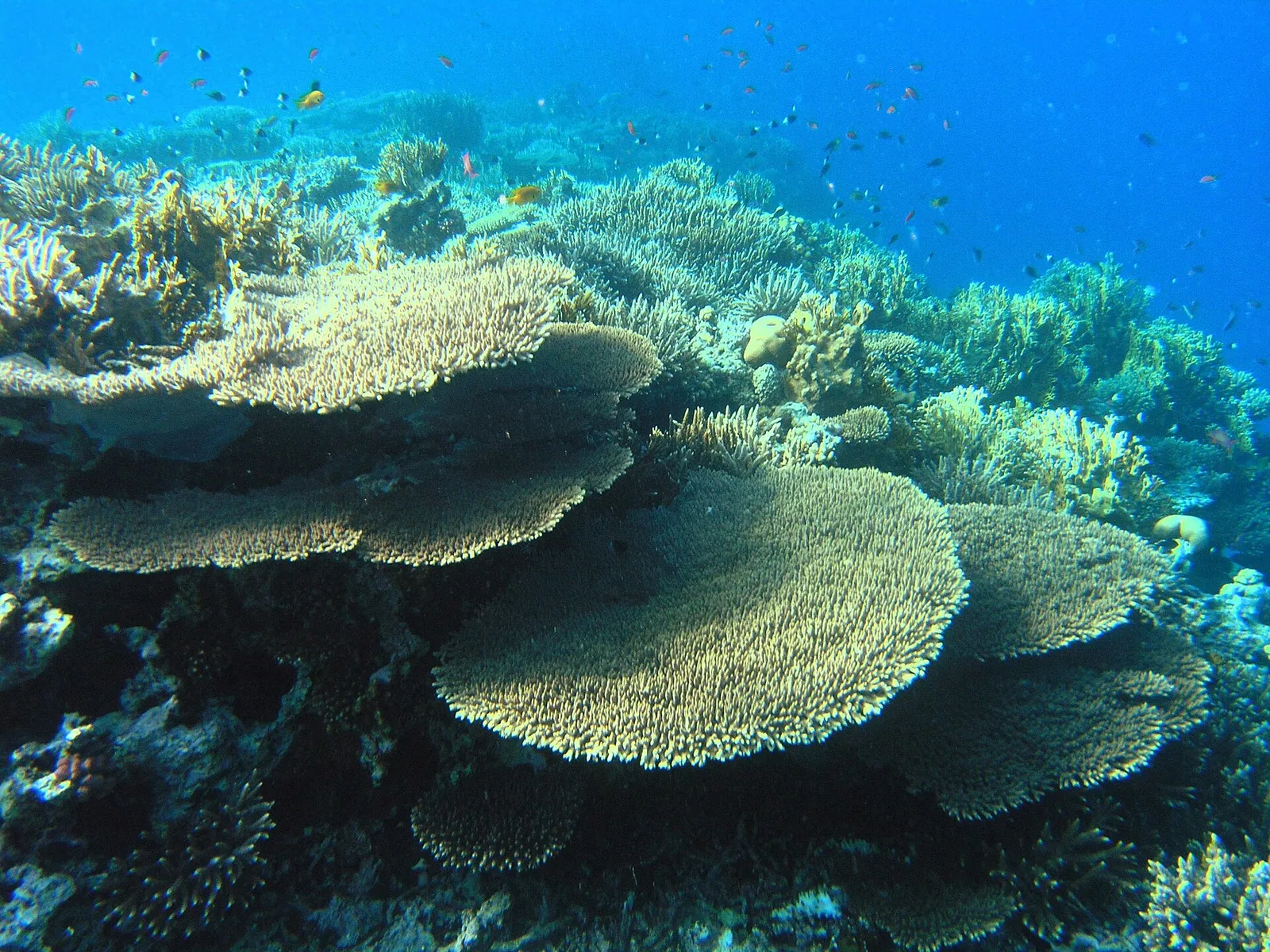
The Egyptian Red Sea is among the world’s elite diving destinations; and experienced divers who have explored its depths will tell you that a liveaboard safari reveals a completely different ocean from anything you encounter on a shore reef. Warm, clear water, year-round visibility that regularly exceeds thirty metres, and a coral ecosystem largely spared the mass bleaching events devastating reefs elsewhere: these qualities make Egypt’s waters genuinely exceptional.
But the real argument for a liveaboard is access. Egypt’s greatest dive sites; the Brothers Islands, Daedalus Reef, Elphinstone, and the remote southern reefs around Zabargad: are simply too far offshore for day boats to reach. A liveaboard changes the mathematics entirely. You sail overnight while you sleep and wake up anchored above a reef that few divers ever visit.
In 2026, with Egypt’s tourism infrastructure continuing to strengthen and international flight connections to Hurghada and Sharm el-Sheikh expanding, this is an ideal year to plan a Red Sea liveaboard diving safari trip. Whether you are a seasoned diver chasing pelagic wildlife or an adventurous intermediate looking to log your first open-ocean dives, Egypt’s liveaboard fleet has an itinerary to match.
What a Typical Red Sea Liveaboard Safari Looks Like
Most Red Sea liveaboard safaris run between five and ten nights, departing from either Hurghada on the northern coast or Port Ghalib near Marsa Alam on the southern coast, or from Sharm el-Sheikh in the south. You board in the early evening, settle into your cabin, and meet your fellow divers at the safety briefing before the vessel slips its moorings and heads towards the first dive site overnight.
Days follow a deeply satisfying rhythm. A wake-up call before sunrise signals the first dive, often conducted in near-silence, with the early light turning the desert mountains along Egypt’s coastline a brilliant amber. Breakfast follows on deck, then two or three more dives through the morning and afternoon. Night dives, a particular highlight of Red Sea liveaboarding, take place after dinner. Coral walls that look extraordinary in daylight transform after dark into a riot of colour and movement as nocturnal feeders emerge.
Meals are included and served on board. Most vessels carry qualified divemasters and guides who have logged thousands of hours at each site, and their local knowledge, from knowing which corner of a reef a hammerhead frequents at a given time of year to when mantas are likely to appear, is genuinely invaluable.
Before booking, confirm that your chosen operator is affiliated with a recognised diving agency such as PADI Five Star, SSI, or CMAS. Bring your certification card and logbook, advanced routes to the Brothers Islands or Daedalus Reef typically require a minimum of 50–100 logged dives, and most operators specify Advanced Open Water certification as a baseline for offshore itineraries.
The Unmissable Dive Sites Reached Only by Liveaboard
Egypt’s most celebrated underwater landscapes are inaccessible to day boats. These are the sites that define a Red Sea liveaboard diving safari.
Brothers Islands (El Akhawein): Two small, remote islands roughly sixty kilometres offshore in the central Red Sea. Big Brother and Little Brother rise from extraordinarily deep water, their vertical walls attracting schooling scalloped hammerheads and the occasional oceanic whitetip shark. Two legendary wrecks; the Numidia, sunk in 1901, and the Aida: have been colonised by soft corals and marine life over decades, creating some of the most photogenic diving in Egypt.
Daedalus Reef: Sitting eighty kilometres from the nearest coast, this isolated atoll is topped by a nineteenth-century Egyptian lighthouse still operational today. The reef drops sharply into open water on all sides, drawing thresher sharks, grey reef sharks, and vast schools of barracuda. A morning dive at Daedalus on a calm, clear day is an experience divers describe for years.
Elphinstone Reef: A long, narrow reef accessible in theory from Port Ghalib, but best experienced over multiple dives from a liveaboard. Oceanic whitetip encounters here have become legendary among visiting divers, and the northern and southern plateaux offer dramatically different topographies within the same site.
Rocky Island and Zabargad: Deep in Egypt’s Far South, these two sites reward divers who make the longer journey. Enormous gorgonian sea fans, manta rays, and a profound sense of remoteness define both locations. Zabargad Island: known in antiquity as the source of the world’s finest peridot; rises above the waterline as a haunting, mineral-streaked hill, its underwater flanks draped in pristine soft coral gardens.
Choosing Your Liveaboard: Route and Experience Level
Red Sea liveaboards vary considerably in their routes, vessel standards, and diver experience requirements. The table below outlines the main circuit options to help you identify the right trip for your certification level and interests.
| Route | Typical Duration | Top Sites | Minimum Level |
|---|---|---|---|
| Northern Circuit | 5–7 nights | Brothers Islands, Daedalus, Elphinstone | Advanced OW, 50+ dives |
| Far South Reefs | 7–10 nights | Rocky Island, Zabargad, St John’s | Advanced OW, 100+ dives |
| Sinai & Tiran | 4–6 nights | Tiran Reefs, Ras Mohammed | Open Water, all levels |
| Full Red Sea Explorer | 10–14 nights | All major sites combined | Advanced, 100+ dives |
Vessel quality varies as much as route selection. Entry-level boats offer basic shared cabins and a no-frills experience; mid-range vessels (the most popular choice among visiting divers) provide en-suite cabins, a sundeck, and a well-equipped dive station; and premium liveaboards add camera tables with rinse tanks, on-board nitrox, and air-conditioned saloons that experienced divers appreciate after a full day underwater. For tailored recommendations based on your certification, travel dates, and budget, contact the Ahmose Travel team directly.

When to Go: Planning Your 2026 Trip by Season
One of the Red Sea’s defining advantages is that it is diveable every month of the year. Surface temperatures rarely fall below 20°C even in January, and visibility stays strong throughout. That said, conditions and wildlife sightings shift considerably with the seasons, and timing your 2026 liveaboard safari thoughtfully can significantly influence what you encounter below the surface.
The period from October through to April is broadly considered the prime liveaboard season. Seas are calmer on the longer overnight crossings to the Brothers and Daedalus, and surface temperatures are comfortable without being oppressive. Hammerhead sharks are most reliably sighted during the cooler months, often in spectacular aggregations at the Brothers Islands from late autumn onwards.
Spring, roughly April to June: brings warmer water and transitional conditions that suit manta rays. Sightings in the far south around Rocky Island and Zabargad are particularly associated with this window. Whale shark encounters, though never guaranteed anywhere in the Red Sea, have been reported in offshore areas during late spring.
The summer months of July and August bring warmer sea temperatures and a different cast of marine species, but also the peak of European holiday season. Competition for berths on reputable liveaboard vessels is at its highest point of the year. If you are planning a summer 2026 departure, book as early as possible; the best-regarded boats fill months in advance.
Ready to Book Your Red Sea Liveaboard Safari?
Our team specialises in matching divers with the right vessel, route, and season for a Red Sea liveaboard experience that exceeds expectations. Reach out via WhatsApp for a personalised recommendation, or browse our Egypt travel packages for a full overview of what we offer.
Practical Tips Before You Dive In
Preparation makes a meaningful difference to the quality of any liveaboard experience. A few essentials worth addressing before you travel:
Equipment: Most liveaboards supply tanks, weights, and weight belts, but experienced divers typically bring their own regulators, dive computers, and BCDs. Rental gear is generally available if you prefer to travel light, though for multi-day trips and technical dives, familiarity with your own equipment is a clear advantage. A reliable underwater torch is essential for night dives and exploring overhangs.
Health and fitness: Liveaboard diving is physically demanding. Three to five dives per day over several consecutive days requires solid aerobic fitness and disciplined surface intervals. Many operators request a diving medical certificate issued within the previous twelve months. If you have any underlying health condition, consult a dive-medicine physician before booking.
Reaching Egypt: Hurghada International Airport and Sharm el-Sheikh International Airport both receive direct flights from London, Amsterdam, Frankfurt, and many other European hubs. International visitors can apply for an Egypt e-visa online before departure, processing times generally range from a few business days to a week, and may be longer during peak periods, so apply well in advance of travel. For a full breakdown of entry requirements and travel logistics, visit our travel blog.
Seasickness: Even divers unaccustomed to motion sickness can find longer offshore crossings (particularly to Daedalus or the Brothers Islands in choppy conditions) more challenging than expected. Consult a pharmacist about preventative medication before departure. Most seasoned liveaboard travellers treat this as sensible preparation rather than an admission of vulnerability.
For a seamlessly arranged trip, including international flights, marina transfers, and optional pre or post-cruise accommodation in Hurghada or Sharm el-Sheikh, explore our full range of Egypt travel packages or speak to the Ahmose Travel team directly. We handle the logistics so you can focus entirely on the diving.
Egypt Tour Packages: 5 to 11 Days
Per person from $650 · private and small-group itineraries with hotels, guides and transfers. Real local operator in Alexandria, message us with your dates and group size for an exact quote.
- Discover Egypt: 11 Days All-Inclusive: Adults from $1725
- Classic Egypt: 10 Days Tour: Adults from $1550
Frequently Asked Questions
It depends on the route. Trips around the Strait of Tiran and Ras Mohammed are accessible to Open Water certified divers with relatively few logged dives. However, northern circuit routes (including the Brothers Islands and Daedalus Reef) and far south itineraries typically require Advanced Open Water certification and a minimum of 50–100 logged dives. Always confirm the specific requirements with your chosen operator before booking.
Pricing varies widely based on vessel standard, route length, and season. Berths on entry-level shared-cabin boats start from a few hundred dollars per person for shorter trips, while premium vessels on longer routes command significantly higher rates. We recommend contacting Ahmose Travel directly for a current, personalised quote, as fleet pricing changes seasonally and availability shifts considerably through the year.
Absolutely; the majority of liveaboard divers travel solo or in pairs and share the vessel with other guests. Liveaboard trips are among the most sociable forms of travel available, and lasting friendships are commonly formed on board. Some operators charge a single supplement for sole occupancy of a cabin; others offer shared-cabin bookings where you are paired with a same-gender guest. Clarify the arrangement at the time of booking.
Egypt’s Red Sea is a well-established, heavily visited diving destination with a long track record of safe operations. Reputable liveaboard operators follow international dive-safety standards, carry trained first-aid personnel, and maintain oxygen kits and decompression sickness protocols on board. The most important factors are diving within your certified limits, following your divemaster’s guidance, and diving conservatively when fatigued. Research your chosen operator’s safety record and recent guest reviews before booking.