- A 3–5 day programme covers Cairo’s essential sights (the Pyramids, the Grand Egyptian Museum, and Old Cairo) and suits travellers with a tight schedule or a stopover.
- Seven days is Egypt’s most popular tour length, typically pairing Cairo with either Luxor’s temples or a Nile cruise between Luxor and Aswan.
- Ten days unlocks the full Nile Valley: Cairo, Luxor, Aswan, and Abu Simbel, with room for the White Desert or the Red Sea as an add-on.
- Fourteen days allows a leisurely grand circuit taking in all of the above plus Siwa Oasis, Alexandria, or Sinai.
- October to April is the ideal travel window; book at least four to eight weeks ahead during peak season (December–February) for the best availability.
Egypt Tour Packages: 5 to 11 Days (5–11 days): Per person from $650 · private and small-group itineraries with hotels, guides and transfers.
Want the desert as well as the Nile?
Most 7-day Egypt programmes stay on the Nile. This one swaps the cruise for Siwa Oasis; the Oracle Temple, the salt lakes and a night camping in the Great Sand Sea. From $995 per person.
Why Your Egypt Itinerary Length Matters
Egypt confounds first-time visitors with its sheer scale. The distance from Cairo to Abu Simbel rivals a drive from London to Rome, and the country packs five thousand years of civilisation into a landscape that stretches from the Mediterranean coast to the Nubian desert. Choosing the right programme length is therefore the single most consequential decision you will make before boarding your flight.
Too short, and you find yourself sprinting between temples without absorbing a single moment. Too long without proper planning, and the heat and sensory richness of Egypt begin to exhaust even the most enthusiastic traveller. The programmes below (from a punchy three-day sprint to a satisfying fourteen-day odyssey) have each been refined through years of guiding international visitors. Each is designed to feel complete in its own right rather than a compromise forced by the calendar.
Egypt Tour Itineraries Compared at a Glance
The table below distils the key differences between each programme length, so you can identify your best match before reading the detailed breakdowns that follow.
| Programme | Core Destinations | Best For | Pace |
|---|---|---|---|
| 3–5 Days | Cairo, Giza, Saqqara, Memphis | Stopover visitors, first-timers on a tight schedule | Energetic |
| 7 Days | Cairo + Luxor or Nile Cruise | Most international tourists; ideal first full trip | Comfortable |
| 10 Days | Cairo, Luxor, Aswan, Abu Simbel | History enthusiasts, repeat visitors | Relaxed |
| 14 Days | Full Nile Valley + Siwa, Alexandria, or Red Sea | Comprehensive explorers, extended holidays | Leisurely |
3–5 Day Programmes: Cairo and the Iconic Highlights
If time is precious, a Cairo-focused short break punches far above its weight. The capital holds more monuments per square kilometre than almost anywhere on earth, and a well-planned four or five days leaves visitors genuinely satisfied rather than short-changed. A typical five-day programme unfolds like this:
Arrival and Islamic Cairo
- Airport meet-and-greet and transfer to your hotel
- Afternoon stroll through Islamic Cairo, finishing at Khan el-Khalili bazaar in the early evening
Giza Plateau and the Grand Egyptian Museum
- Morning at the Great Pyramids of Giza and the Sphinx before the midday heat builds
- Afternoon at the Grand Egyptian Museum: allow three hours minimum for the Tutankhamun galleries alone
Saqqara and Memphis
- Step Pyramid complex at Saqqara, the world’s oldest stone building, and the recently reopened tombs of Merefnebef and Kaaper
- Open-air museum at Memphis, Egypt’s ancient capital
Coptic Cairo and Nile Sunset
- Hanging Church, Ben Ezra Synagogue, and the Coptic Museum in the morning
- Nile felucca ride at sunset, watching the city skyline soften into silhouette
Departure
- Final morning coffee in a traditional ahwa (coffeehouse) before transfer to Cairo International Airport
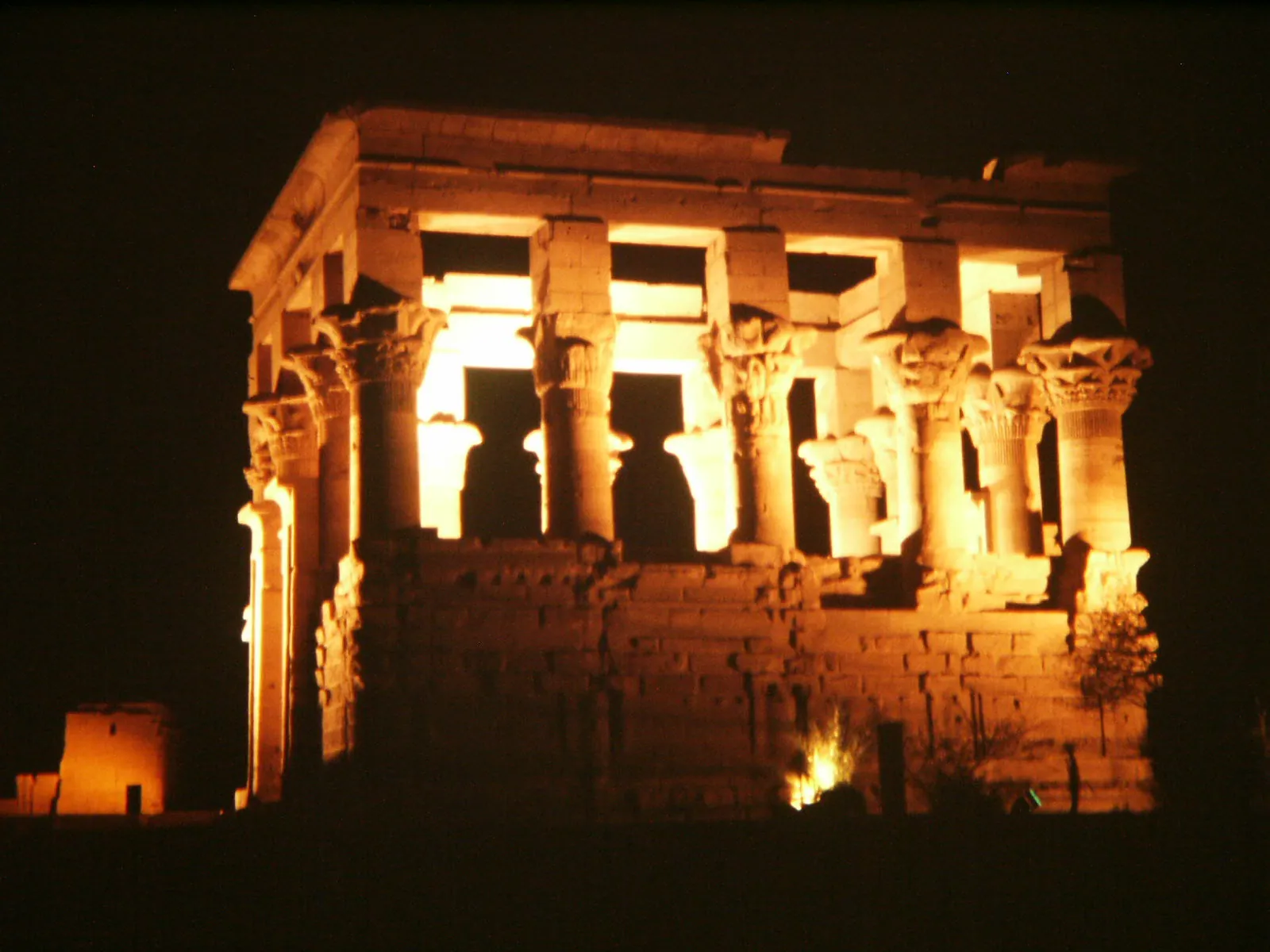
7-Day Classic Egypt Itinerary
Seven days is the sweet spot for most international visitors and remains our most requested tour length. It pairs Cairo’s monuments with either a Luxor temple circuit or a classic Nile cruise, and fits neatly into a fortnight’s annual leave once travel days are accounted for. The cruise version is particularly recommended: drifting past sugar cane fields and mud-brick villages while temple-hopping from the deck is one of travel’s genuinely irreplaceable experiences.
Cairo: Pyramids, GEM, and the Medieval Quarter
- Giza Plateau and Sphinx on Day 1; Grand Egyptian Museum and Saqqara on Day 2
- Day 3: Islamic Cairo’s Citadel, Mohammed Ali Mosque, and Khan el-Khalili; Coptic quarter in the afternoon
Fly to Luxor: East Bank Temples
- Morning flight to Luxor (approximately seventy minutes)
- Karnak Temple in the afternoon (the world’s largest ancient religious complex) and Luxor Temple illuminated by floodlights in the evening
Valley of the Kings and the West Bank
- Valley of the Kings, Temple of Hatshepsut, and the Colossi of Memnon
- Optional: pre-dawn hot-air balloon over the West Bank, one of Egypt’s most spectacular experiences
Edfu and Kom Ombo
- Edfu Temple of Horus (the best-preserved cult temple in Egypt) and the double-dedicated Kom Ombo Temple above the river
- Arrive Aswan by early evening, felucca ride across to Elephantine Island if energy allows
Aswan and Return
- Philae Temple, the Unfinished Obelisk, and the High Dam in the morning
- Afternoon flight back to Cairo for onward connections, or direct international departure from Aswan
10-Day Grand Nile Valley Circuit
Ten days transforms a good Egypt trip into a genuinely great one. The three extra days allow a proper overnight in Aswan, the early-morning excursion to Abu Simbel without any sense of rushing, and a choice of finale (desert or coast) that makes the itinerary feel tailored rather than off the shelf. Days 1–7 follow the classic programme above; the additional days add:
Abu Simbel: Ramesses II’s Masterpiece
- Pre-dawn drive or short morning flight from Aswan to Abu Simbel
- Ramesses II Great Temple and the smaller Temple of Nefertari; two to three hours at the site is comfortable before the heat intensifies
- Return to Aswan by early afternoon; relaxed Nubian lunch on the Nile
White Desert or Red Sea Finale
- Option A · Desert lovers: Fly or drive north to Bahariya Oasis and camp under the chalk-white formations of the White Desert; return to Cairo on Day 10
- Option B · Beach lovers: Short flight to the Red Sea coast for two nights of reef snorkelling and relaxation before your international departure
Ready to Plan Your Egypt Itinerary?
Every Ahmose Travel programme is built around your travel dates, pace preference, and interests, from a focused five-day Cairo break to a full two-week odyssey along the Nile. WhatsApp our team for a free, no-obligation itinerary proposal, or browse our ready-made packages below.
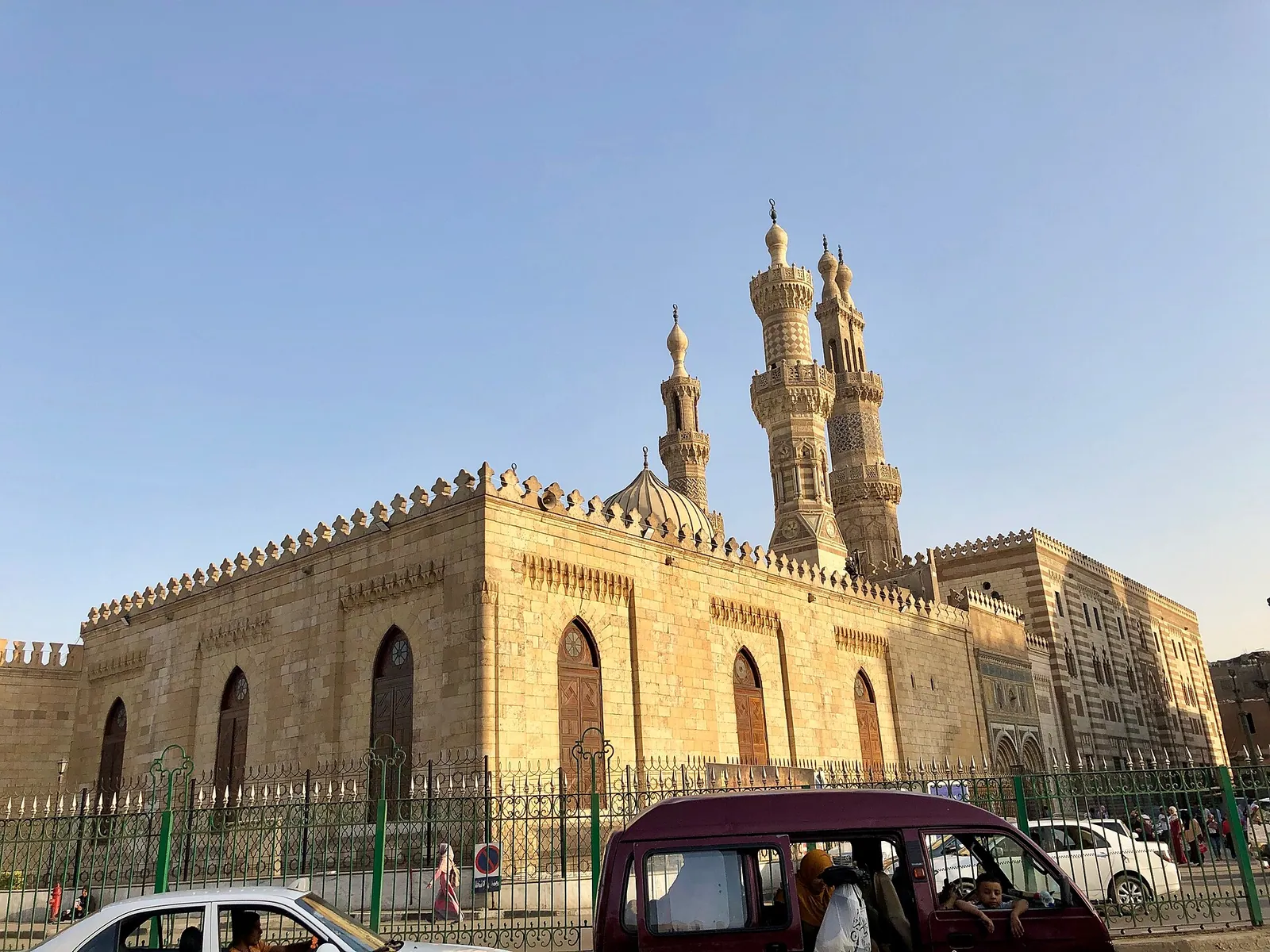
14-Day Complete Egypt Experience
With a full fortnight at your disposal, Egypt unfolds without compromise. Days 1–10 cover the complete Nile Valley circuit described above. The remaining four days open up regions that shorter tours simply cannot reach, each a world apart from the pharaonic monuments most visitors come for, and each deeply rewarding in its own right.
Siwa Oasis: Egypt’s Most Remote Escape
- Fly to Marsa Matruh, then drive three hours west to Siwa Oasis: a Berber-speaking enclave surrounded by the Great Sand Sea
- Alexander the Great’s Oracle Temple, Cleopatra’s Bath spring, and a sunset dune safari by 4WD
Alexandria and Departure
- Drive north to Alexandria: the Catacombs of Kom el-Shoqafa, the magnificent Bibliotheca Alexandrina, and a seafood lunch on the Mediterranean Corniche
- Return to Cairo by road or express train for your international flight on Day 14
Alternatively, swap the Siwa leg for two nights at Saint Catherine’s Monastery and a pre-dawn trek up Mount Sinai: a profoundly atmospheric close to any Egypt trip. Either combination gives the fourteen-day programme a satisfying variety of landscapes and cultures that no shorter itinerary can match. Speak to an Ahmose Travel consultant to find the pairing that suits your interests best.
Practical Planning Tips for Every Programme
No matter which length you choose, a handful of principles apply across the board and will make the difference between a trip that merely ticks boxes and one you talk about for years.
Best time to travel: October through April offers comfortable temperatures in Upper Egypt, where summer heat routinely reaches 45 °C in Luxor and Aswan. December to February is the coolest and most popular period, so book accommodation and flights early. May to September is very hot inland but suits Red Sea beach holidays well, where air-conditioning and the water itself provide relief.
Domestic flights save days: The Cairo–Luxor and Cairo–Aswan routes operate several times daily and take roughly sixty to eighty minutes. On a seven-day itinerary, travelling by sleeper train instead costs you at least two full days of temple time; a trade-off worth understanding before you book.
Entry requirements: Most nationalities can obtain an e-Visa online before arrival or a visa-on-arrival sticker at Cairo International Airport. Check current eligibility on the official Egyptian e-Visa portal before confirming travel dates, as requirements can change.
For smooth transfers between cities and airports, Ahmose Travel’s private transportation service covers every route on these itineraries, with English-speaking drivers and comfortable, air-conditioned vehicles throughout.
Egypt moves at its own pace. Souks, spontaneous conversations with local families, and the hypnotic call to prayer drifting across a medieval skyline all conspire to slow even the most disciplined itinerary. Adding one unscheduled afternoon (or ideally a full free day) to any programme gives you the breathing room to revisit a favourite site, wander a neighbourhood market, or simply sit on a Nile terrace watching the feluccas drift past. That unhurried hour is, consistently, what guests remember most vividly when they return home.
Egypt Tour Packages: 5 to 11 Days
Per person from $650 · private and small-group itineraries with hotels, guides and transfers. Real local operator in Alexandria, message us with your dates and group size for an exact quote.
- Discover Egypt: 11 Days All-Inclusive: Adults from $1725
- Classic Egypt: 10 Days Tour: Adults from $1550
Frequently Asked Questions
Seven to ten days covers Egypt’s essential highlights (Cairo, Luxor, and Aswan) at a genuinely comfortable pace. If you want to include Abu Simbel, the White Desert, the Red Sea coast, or Siwa Oasis, plan for ten to fourteen days. Three to five days is viable for a Cairo-focused short break, but you will need to leave the rest of Egypt for a return visit.
Both are excellent; the right choice depends on your travel style. A Nile cruise from Luxor to Aswan is one of the world’s great journeys and takes care of accommodation, meals, and temple access in one seamless package. A land tour offers more flexibility to visit off-the-beaten-track sites and spend nights in city hotels. Many of our most popular programmes combine three or four nights on the Nile with Cairo hotel stays, giving you the best of both worlds.
October through April is universally recommended for touring Upper Egypt (Luxor, Aswan, Abu Simbel), when daytime temperatures are manageable and the light is spectacular for photography. December to February is the coolest and busiest period, so book well in advance. May to September is very hot in the south but can work well for Red Sea beach holidays, where the warm water and air-conditioning provide genuine relief from the heat.
Absolutely. Every Ahmose Travel programme is built around the individual traveller. Whether you want extended time at a particular site, a photography-focused dawn visit to the Pyramids, a cooking class in a local Cairo home, or a dedicated diving day in Sinai, our team can adapt any of the templates above. Get in touch and we will put together a detailed itinerary matched to your exact interests, travel dates, and budget.