- Tourist photography at the Giza Pyramids outdoors is covered by your entry ticket in 2026; a separate camera fee may apply for professional equipment and tripods, confirm at the ticket desk on the day.
- Drone flight over the Giza Plateau is effectively prohibited for tourists: Egypt’s Civil Aviation Authority requires permits that are almost never granted to individual visitors, and the plateau falls inside a restricted airspace zone adjacent to Cairo International Airport.
- Bringing a drone into Egypt without declaring it at customs is illegal and routinely results in confiscation, declare all unmanned aircraft on arrival.
- Photography inside burial chambers (including the Great Pyramid and all Valley of the Kings tombs) is restricted or banned outright; check site-by-site rules before you travel, as of 2026.
- Commercial and film-production shoots require a formal permit from the Ministry of Tourism and Antiquities; allow two to four weeks for the application process and arrange a local liaison well before your shoot date.
Cairo 8 Days / 7 Nights Private Tour (8 days): Private, from $650 · per person for a solo private tour · less per person for couples and groups.
Do you need a photography permit to visit Egypt’s ancient sites in 2026?
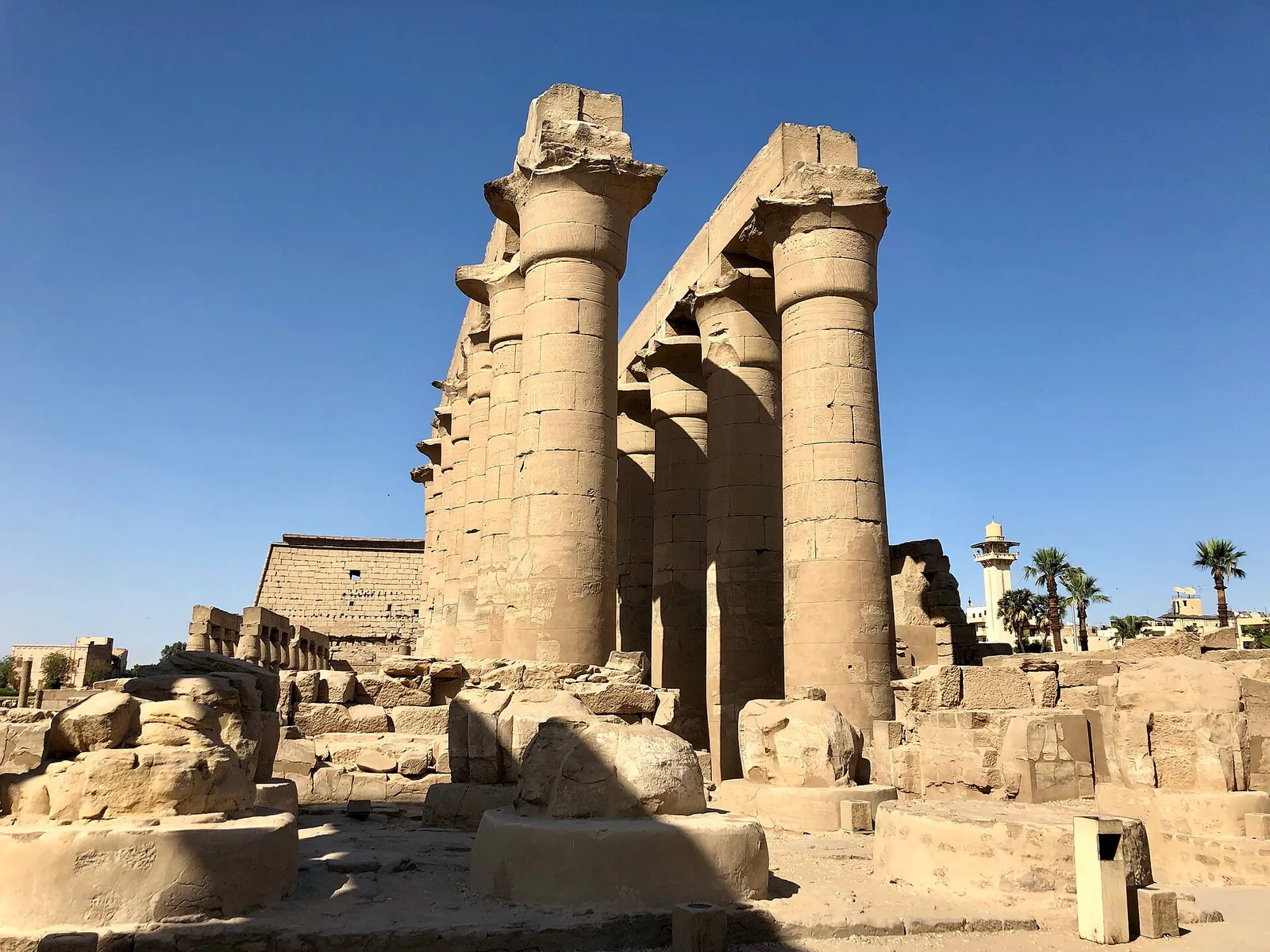
For most tourists carrying a smartphone or personal camera, no separate photography permit is required, your entry ticket covers ordinary photography at outdoor monuments including the Giza Pyramids, Karnak Temple, and Luxor Temple, as of 2026. The nuance lies in what you carry and what you intend to do with the images: a DSLR on a tripod, a video rig, or any footage destined for commercial use puts you in a different regulatory category than a holiday snap.
Egypt’s Ministry of Tourism and Antiquities oversees photography rules at heritage sites through the Supreme Council of Antiquities. The practical result is a tiered system: free for casual visitors, a modest camera fee for video cameras or semi-professional gear at certain sites, and a formal permit process for commercial or documentary work. Knowing which tier applies to your kit saves both time and trouble on the day.
If you’re booking a Cairo day tour or a longer Egypt tour package, your guide will know the current rules at each site, one of the real advantages of travelling with a local operator rather than navigating the paperwork alone.
What are Egypt’s drone laws, and can you fly one over Giza in 2026?
Flying a drone over the Giza Pyramids without authorisation is illegal under Egyptian civil aviation law, and enforcement in 2026 is real; confiscation of equipment is the most common consequence, with fines and potential detention in serious cases.
Egypt’s Civil Aviation Authority (CAAE) regulates all unmanned aerial vehicles. The broad legal framework, as of 2026, is as follows:
- All drones must be registered with the CAAE before they are flown in Egyptian airspace.
- Special flight authorisation is required for each specific location and date.
- Flying within five kilometres of airports, military installations, or heritage sites is prohibited without explicit written permission; this rule alone covers the entire Giza Plateau.
- Commercial drone filming (for advertising, television, or monetised social media content) requires an additional licence from the Ministry of Tourism and Antiquities and, in many cases, a separate military clearance.
- LiPo batteries over a certain capacity may be flagged at customs irrespective of whether the drone itself is declared; check current import rules with your airline and Egyptian customs guidance before packing.
In practice, tourist drone permits for the Giza area are almost never granted. The plateau sits within the flight corridor approaching Cairo International Airport and alongside military zones, making it one of the most tightly controlled airspaces for unmanned aircraft in the country. Permit applications that are approved typically belong to licensed Egyptian production companies operating under formal government contracts. If aerial footage of the site is essential to your project, the practical route is to commission a licensed Egyptian company that already holds the relevant authorisations rather than attempting to fly yourself.
Declare your drone at Egyptian customs when you arrive; this is not optional. Customs officers are trained to identify drone batteries and components in X-ray scans. An undeclared drone can be confiscated on the spot; you may also be assessed import duty on the declared value. Some photographers travelling to Egypt for personal work choose to leave their drone at home entirely and hire licensed aerial footage from Egyptian production companies for a fee, avoiding the regulatory risk altogether.
Which sites charge a camera fee, and how much should you budget?
Camera fees vary significantly by site and equipment type, and they change more often than entry prices; the figures below reflect the most recently published guidance available, but verify current amounts directly with each site before you travel, as adjustments can occur without advance notice.
| Site | Personal Camera / Smartphone | Video Camera / DSLR | Photography Inside Chambers or Galleries |
|---|---|---|---|
| Giza Pyramids (exterior) | Included in entry ticket | Small additional fee may apply | Restricted, check at gate on the day |
| Egyptian Museum, Cairo | Separate photography fee charged | Higher fee or restricted area by area | Some galleries prohibited; others permitted without flash |
| Karnak & Luxor Temples | Generally included in entry | Small additional fee likely | N/A, largely open-air structures |
| Valley of the Kings | Strictly no photography inside tombs | Strictly prohibited inside | Banned without exception for tourists |
| Abu Simbel | Photography fee charged at entrance | Additional fee applies | Restricted inside the main temple |
| National Museum of Egyptian Civilisation (NMEC) | Photography generally permitted in most halls | Check at venue on the day | Varies by gallery: Royal Mummies Hall has stricter rules |
One pattern holds consistently across the country: Valley of the Kings is the strictest site in Egypt for photography. No cameras are permitted inside any of the royal tombs, guards enforce this actively, and the fine for violation can be substantial. High-quality official photographic books sold at the site’s gift shop are the only authorised alternative for those who want detailed reference images of the painted burial chambers.
How do you obtain a commercial photography permit in Egypt?
Commercial and professional photography permits in Egypt are issued by the Ministry of Tourism and Antiquities, and the application process typically takes two to four weeks, plan well ahead rather than arriving at the gate expecting same-day approval.
What counts as “commercial” photography?
Egyptian authorities interpret this broadly. If your footage or stills will appear in paid advertising, a published book, a documentary, a travel magazine, or monetised social media content, you will need a commercial permit. Wedding photography shoots at heritage sites also fall into this category in many cases. The application generally requires:
- A detailed shot list and location plan, submitted in writing.
- Proof of the production company or commissioning client.
- A full equipment inventory covering cameras, lenses, lighting rigs, and any aerial equipment.
- A local Egyptian fixer or production liaison, which is strongly recommended in practice even when not formally required; the process moves significantly faster with an established local contact.
Ahmose Travel, an Egyptian tour operator based in Alexandria, works with professional photographers and film teams visiting the country and can connect clients with the right local contacts for permit logistics. Reach out via our contact page or on WhatsApp well before your shoot date to discuss the specifics.
Planning a Photography Trip to Egypt?
Whether you’re joining a small group tour timed around golden-hour light at Giza or arranging a private itinerary with early-access site visits, our team can advise on permit requirements, quiet entrance routes, and the logistics that most visitors only discover after they arrive.
What can you photograph freely; and what is strictly off-limits anywhere in Egypt?
Most outdoor monuments, markets, and landscapes are freely photographable for personal use, but a handful of categories require genuine caution across the whole country, not just at heritage sites.
Always off-limits
- Military installations, bridges, and government buildings: photographing these is a criminal offence under Egyptian law regardless of how ordinary the structure appears. The legal definition of “military installation” is interpreted broadly by authorities, and tourists are not exempt.
- Airports and border crossings: cameras out in these areas will attract immediate security attention; stow your equipment before you reach the checkpoint.
- People without consent, while street photography is a legitimate tradition, pointing a camera at someone who clearly objects can escalate quickly, particularly in more conservative neighbourhoods. A courteous approach and a few words of Arabic make an enormous difference.
Generally permitted with care
- Outdoor monuments during daylight hours within ticketed archaeological sites.
- Markets, bazaars, and street scenes; ask vendors before shooting close-up portraits of individuals.
- The Nile and its banks from public vantage points.
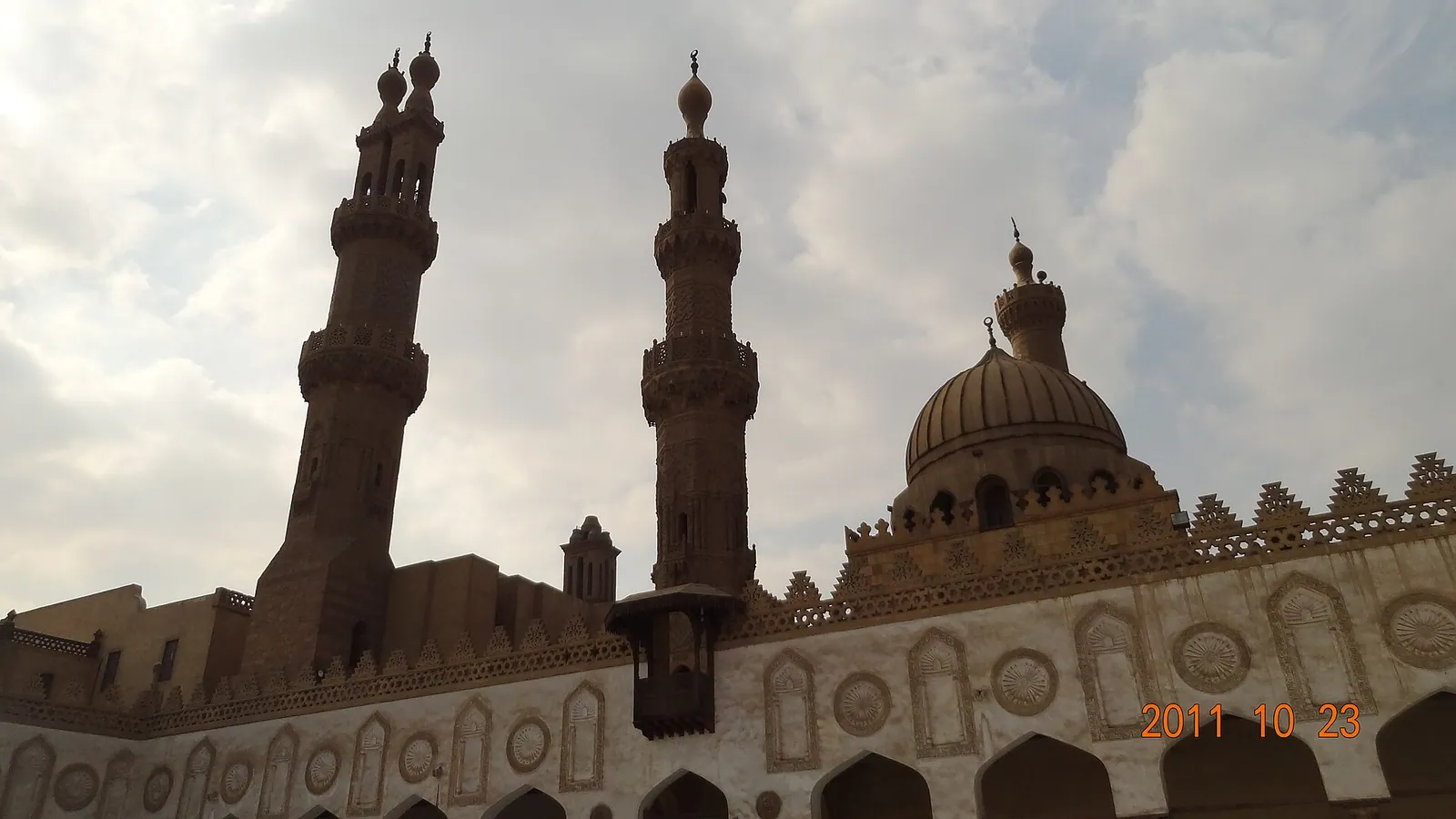
- Mosques and churches, usually without flash and away from prayer times, always ask permission of the person in charge before raising a camera inside a place of worship.
The same framework applies across sites you might visit in Luxor and Aswan. An additional detail worth knowing in the Theban Necropolis: access to smaller, less-visited tombs on the West Bank rotates on a schedule set by the Supreme Council of Antiquities, and some of these do permit photography for an additional fee. Your guide will know which tombs are open and photographically accessible on any given day, a level of current, on-the-ground knowledge that no website, including this one, can reliably maintain in real time.
How do you get the best shots at Giza without running into trouble?
Arriving at the Giza Plateau before 8 am is the single most effective move a photographer can make; crowds are thinner, the light is warm and raking across the limestone, and the site atmosphere is noticeably more relaxed in the hour before the tour bus convoy arrives in volume.
A few practical observations worth knowing:
- The eastern side of the plateau, reached via the main Giza entrance on Sphinx Street, faces the rising sun; ideal for front-lit pyramid shots in the first hour after the gates open.
- The panoramic viewpoint on the southern ridge (accessible via the second entrance near the camel area) delivers the classic three-pyramid composition. It is significantly busier by 9 am but relatively quiet at opening, and it is the composition most visitors are actually searching for.
- Photography is currently not permitted inside the Great Pyramid of Khufu: this has been the consistent, enforced policy for several years as of 2026, and it is unlikely to change for individual tourists in the near future.
- The Solar Boat Museum alongside the pyramid complex does allow photography; confirm current rules at the ticket counter on the day, as they have been revised periodically.
- The road from central Cairo to Giza carries heavy commuter traffic during peak morning hours. What looks like a 20-minute drive on a map can take 45 to 60 minutes between roughly 7 and 9 am. If your goal is a sunrise or first-light shot, your driver needs to depart well before the sun appears, plan for the road, not the map.
If you’re thinking about a broader Egypt photography itinerary, our tour packages can be adapted around early site access, slower-paced visits, and the flexibility that fixed departure group tours simply cannot offer.
Cairo 8 Days / 7 Nights Private Tour
Private, from $650 · per person for a solo private tour · less per person for couples and groups. Real local operator in Alexandria, message us with your dates and group size for an exact quote.
- Saqqara, Dahshur & Memphis: Private, from $247
- Fayoum: Wadi El Rayan & Wadi Al Hitan 4×4: Price from $187.50
Frequently Asked Questions
Yes, personal cameras and smartphones are permitted on the Giza Plateau as part of your general site entry. A small additional camera fee may apply for video cameras or professional equipment; confirm the current amount at the ticket desk on arrival. Photography inside the pyramid chambers is currently not permitted for tourists, as of 2026, and guards enforce this consistently.
Not without a permit; and tourist drone permits for the Giza area are almost never approved. The plateau falls within a restricted airspace zone due to its proximity to Cairo International Airport and adjacent military areas. Bringing a drone into Egypt without declaring it at customs is also a separate offence and risks confiscation at the airport. If aerial footage of the site is essential to your project, the practical route is to commission a licensed Egyptian production company that already holds the necessary clearances rather than attempting to fly yourself.
The Ministry of Tourism and Antiquities prohibits photography inside the royal tombs primarily to protect the ancient painted reliefs. Camera flash and the cumulative heat generated by large numbers of visitors and electronic equipment contribute to pigment degradation over time. The ban applies to all tourists without exception, and guards enforce it actively. High-quality illustrated publications and postcards are available at the site’s shop for reference images.
Allow a minimum of two to four weeks for the application to be processed by the Ministry of Tourism and Antiquities, and considerably longer if your shoot involves multiple heritage sites, drone equipment, or locations near military zones. Last-minute applications are rarely approved. Working with a local Egyptian operator or fixer who has existing relationships with the relevant authorities significantly improves both the approval rate and the processing speed; arriving without a permit and hoping to negotiate at the gate is not a viable strategy at major sites.