- A dahabiya is a traditional Egyptian sailing vessel carrying 8–24 passengers; it reaches smaller docks and quieter sites that large cruise ships cannot, making it a fundamentally different experience rather than simply a more expensive one.
- Most dahabiya itineraries run 4–8 nights between Luxor and Aswan (or in reverse); the southward direction (Luxor upstream to Aswan) is the most popular and the most scenic under sail.
- Dahabiya per-person rates vary considerably by vessel grade, season, group size, and whether you charter the whole boat or book individual cabins; contact Ahmose Travel for a current 2026 quote, as published list prices shift seasonally.
- The best sailing window is October–April; December–February is peak season and books out fastest; sailings over Christmas and New Year on sought-after boats can fill twelve months in advance.
- Full board and guided excursions are usually included; international flights, site entry fees, travel insurance, tips, and airport transfers are almost always extra, confirm every inclusion before paying a deposit.
4-Night Nile Cruise: Luxor → Aswan (5 days): Adults from $495 · Children (6-11): $240 | Full board included.
What Exactly Is a Dahabiya, and How Is It Different from a Standard Nile Cruise?
A dahabiya is a traditional Egyptian sailing vessel with one or two tall lateen-rigged masts that carries a maximum of roughly 8–24 passengers, a world apart from the four-deck, 200-cabin cruise ships that motor in convoy along the Luxor-to-Aswan run. Where the large boats dock side-by-side at the same five temples on a schedule shared with dozens of other vessels, a dahabiya can anchor mid-river in complete silence, pull up at a riverbank village that sees virtually no tourism, or moor at Kom Ombo just as the sun drops behind the western desert hills with no other boat in sight. The experience is slower by design (most itineraries cover the same 200-kilometre stretch in twice the time) and that slowness is precisely the point for travellers who want Egypt at an unhurried pace.
Dahabiyas enjoyed a golden age in the 19th century, when European travellers (Florence Nightingale and Amelia Edwards among them) hired them for months at a time. They fell out of fashion as steam-powered tourism took hold, but a careful revival over the past two decades has produced a small fleet of restored and newly built vessels following much the same route. If you are planning to explore Luxor’s temples and tombs, arriving by dahabiya from the river is the most atmospheric approach the ancient capital offers.
Large cruise ships prioritise efficiency: three to four nights, a fixed itinerary, and the economies of scale that come with carrying 60–200 passengers. A dahabiya prioritises atmosphere and access: fewer guests, movement partly under sail, and the flexibility to stop where larger boats cannot. The trade-off is cost (dahabiyas sit firmly in the mid-range to luxury tier) and pace, which suits some travellers and frustrates others. Neither is objectively better; they are genuinely different products.
How Much Does a Dahabiya Nile Cruise Cost in 2026?
Dahabiya pricing is driven by vessel grade, duration, season, and group size, so no single figure covers the market honestly; but the broad picture is that per-person rates sit meaningfully above those of a standard Nile cruise ship, reflecting the smaller passenger count spread across the same operating costs.
Two broad booking models exist. Individual cabin bookings place you aboard a dahabiya alongside other guests up to the boat’s small capacity; this is the option most independent travellers use. Full-boat charters: popular with families or friend groups of eight to twelve; divide the vessel’s fixed cost among your own party, which can produce competitive per-head figures for larger groups while giving you complete privacy. For an accurate 2026 quote that reflects current availability and any seasonal promotions, the most reliable step is to contact Ahmose Travel directly; rates between high season (October–April) and summer can differ substantially, and published list prices on third-party booking sites are not always current.
| Factor | Standard Nile Cruise Ship | Dahabiya |
|---|---|---|
| Passengers per vessel | 60–200+ | 8–24 |
| Typical duration | 3–4 nights | 4–8 nights |
| Propulsion | Motorised throughout | Sail + auxiliary motor |
| Itinerary flexibility | Fixed convoy schedule | High, stops larger boats cannot reach |
| Deck atmosphere | Shared with many passengers | Exclusive to your small group |
| Price tier | Budget to mid-range | Mid-range to luxury |
| Booking options | Individual cabin or package | Individual cabin or full charter |
What Is Typically Included in a Dahabiya Package?
Most reputable dahabiya operators include full board (all meals prepared on board by a dedicated cook), guided visits to the principal temple sites along the route, and mooring or port fees within their quoted price; but inclusions vary between vessels and operators, making it essential to confirm the details before you pay a deposit.
Items that are almost always excluded from the headline cabin rate:
- International flights to and from Egypt
- Entry fees to individual archaeological sites (Egypt’s ticketing system charges per monument; check current 2026 rates before travelling, as these are adjusted periodically)
- Travel insurance, strongly recommended, as dahabiyas moor at remote locations far from urban medical facilities
- Gratuities for crew and guides, which are customary and appreciated
- Alcoholic beverages and personal spending on shore
- Transfers between your international gateway airport and the vessel’s departure point in Luxor or Aswan
Ahmose Travel is an Egyptian tour operator based in Alexandria that arranges dahabiya cruises directly and can confirm exactly what each vessel includes. The team can also build a joined-up itinerary that covers Cairo sightseeing and Aswan excursions alongside the cruise, a useful shortcut compared to piecing the trip together across multiple suppliers.
Ready to Plan Your Dahabiya Cruise?
Dahabiya availability is genuinely limited; most boats carry fewer than twenty guests, and the best peak-season sailings book months ahead. Send a WhatsApp message with your travel dates and group size and we will come back to you with current 2026 availability and a tailored quote.
When Is the Best Time for a Dahabiya Cruise on the Nile?
October through April is the ideal window for a dahabiya cruise, when temperatures along the Luxor–Aswan corridor sit between roughly 20°C and 32°C and sailing conditions are comfortable through the day and pleasantly cool at night, as of 2026.
Here is how the seasons break down honestly:
- October–November: Warm days, negligible rainfall, and gradually thinning crowds after the summer package-holiday peak. An excellent window if you want good temperatures and more flexible availability than deep winter.
- December–February: The classic high season. Cooler evenings (temperatures between Luxor and Aswan can drop to around 10–12°C at night) reliably clear skies, and the strongest demand. Christmas and New Year sailings on popular vessels frequently sell out a year or more in advance; book early.
- March–April: Warm and increasingly sunny. Occasional khamsin dust events are possible in April but usually brief. Strong value before rates climb back toward winter-peak levels.
- May–September: Upper Egypt regularly exceeds 40°C by midday in summer. Some dahabiya operators continue year-round sailings (check before travelling), but the heat is genuinely demanding and the experience is not recommended for most visitors. Where available, summer rates tend to be lower to reflect demand.
What Route Does a Dahabiya Follow Between Luxor and Aswan?
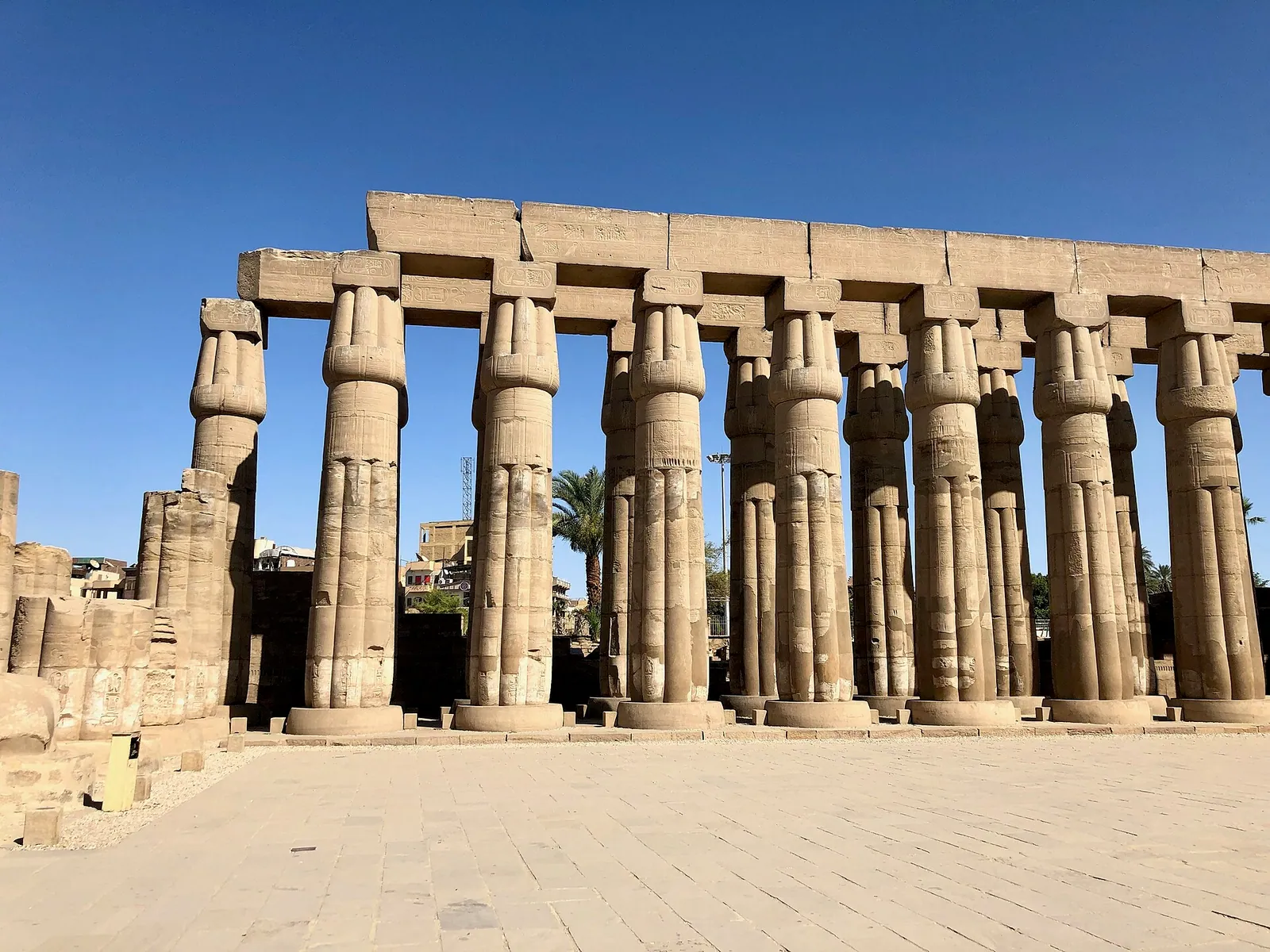
The standard dahabiya route covers the roughly 200 kilometres of the Nile between Luxor and Aswan, travelling either northward (Aswan to Luxor, following the current) or southward (Luxor to Aswan, upstream under sail; the more romantic direction and the one most operators favour).
One practical note that only local operators tend to mention: every southbound dahabiya must pass through the Esna lock, the only lock on this stretch of the river. Lock transit times are allocated by the authorities and can affect departure scheduling from Luxor; your operator will factor this in, but it is worth knowing when you are comparing itineraries that seem to cover the same ground in different times.
Stops a dahabiya can make that large cruise ships typically cannot include:
- El-Kab: Ancient rock-cut tombs on the east bank, rarely visited by large-boat passengers and genuinely off the beaten track even in peak season.
- Esna town landing: The Temple of Khnum sits at the end of a narrow lane in the town centre, arriving by small boat and walking in from the riverbank feels very different from a bus transfer from a cruise ship dock.
- Edfu: The Temple of Horus at Edfu is one of the best-preserved in Egypt and appears on all dahabiya itineraries. The dahabiya’s flexible timing means you can arrive before the morning convoy of large cruise ships, a worthwhile advantage at a busy site.
- Kom Ombo: The double temple dedicated to Sobek and Haroeris sits directly on the riverbank; a dahabiya moored here at sunset, with no other vessel nearby, is consistently cited by passengers as a highlight of the trip.
- Aswan: The cruise concludes here, with easy access to the granite quarries, the Unfinished Obelisk, and Philae Temple (reached by motorboat, as of 2026). Many travellers add an excursion to Abu Simbel by road or short flight.
How to Book a Dahabiya Cruise: A Step-by-Step Guide
Booking a dahabiya is more involved than booking a hotel room; the vessel’s small size means availability is tight, a deposit is required to hold a sailing date, and the itinerary often needs to be confirmed around the Esna lock schedule before the boat can finalise its programme.
The practical steps, in order:
- Fix your dates and duration. Four nights is the minimum to experience the route without feeling rushed; six or seven nights allows a genuinely relaxed pace with unhurried shore visits. Decide this before you enquire, as it affects which vessels and departure dates are relevant to you.
- Decide whether to charter or book a cabin. If your group is eight or more, a full-boat charter often works out well and gives you complete flexibility on daily schedule. Smaller groups and solo travellers typically book individual cabins on a shared sailing.
- Think about what surrounds the cruise. Most international visitors combine a dahabiya with at least two nights in Cairo and sometimes Alexandria. Knowing your full itinerary upfront lets an operator price a joined-up Egypt package rather than a bare cruise segment.
- Request a 2026 quote. Contact Ahmose Travel via WhatsApp (+20 127 530 7375) or the website, specifying your group size, preferred travel window, and whether you want a shared cabin or a full charter. Expect a response with current vessel options and pricing.
- Confirm inclusions and payment terms in writing. Before transferring any deposit, confirm which site entry fees are covered, what the cancellation policy is, and whether the quoted rate is per person or per cabin.
- Book well ahead. For October–February sailings, three to six months’ notice is a reasonable minimum for the better vessels; for December and New Year, earlier is strongly advisable.
4-Night Nile Cruise: Luxor → Aswan
Adults from $495 · Children (6-11): $240 | Full board included. Real local operator in Alexandria, message us with your dates and group size for an exact quote.
- Discover Egypt: 11 Days All-Inclusive: Adults from $1725
- Classic Egypt: 10 Days Tour: Adults from $1550
Frequently Asked Questions
For travellers who value privacy, a slower pace, and access to sites that large vessels cannot reach, a dahabiya consistently justifies the premium. For those who want to cover as many monuments as possible in a short time on a tighter budget, a standard cruise ship is the more practical choice. The two are genuinely different products rather than simply different price points for the same experience; the right answer depends on what you are actually looking for.
Most dahabiyas carry between 8 and 24 passengers across a small number of en-suite cabins. Some boutique vessels carry as few as 4–6 guests; a handful of larger converted boats carry up to around 30. Even on a shared-cabin booking you are travelling with a very small group of other guests, which is a fundamentally different social dynamic from a large ship’s dining room and deck.
For peak-season sailings between October and February, booking three to six months ahead is a sensible minimum; Christmas and New Year departures on the most popular vessels can fill twelve months in advance, because a single group enquiry can account for the entire passenger list. Shoulder-season dates in March–April and September–October offer more flexibility, but early enquiry is still worthwhile given how few berths each boat carries.
Yes; this is the most common structure for international visitors to Egypt. A typical combined trip pairs two or three nights in Cairo (the Pyramids of Giza, the Egyptian Museum or the new Grand Egyptian Museum, Khan el-Khalili) with a dahabiya cruise departing from Luxor or concluding in Aswan, sometimes with an Abu Simbel excursion added at the end. Ahmose Travel can arrange the full joined-up itinerary, including domestic flights between Cairo and Luxor or Aswan where needed.