- Egypt’s best family tours combine the Giza Pyramids and the Grand Egyptian Museum in Cairo with a Nile cruise between Luxor and Aswan; most families need 7–8 days to cover both without rushing.
- October through April is the ideal travel window for families with children; summer temperatures in Upper Egypt regularly exceed 40 °C and are not recommended for children under ten.
- Well-structured private family packages (including Nile cruise, guided excursions, and transfers) typically cost in the range of $1,500–$4,000 per adult for a 7–8 day trip, request a tailored quote for your group size and dates.
- Children aged six and above engage most readily with Egypt’s major sites; for younger children, shorter itineraries focused on Cairo and a single Nile experience tend to work best.
- Booking through a licensed Egyptian operator that arranges private guiding, air-conditioned transport, and flexible daily pacing removes the most common family travel headaches.
Egypt Tour Packages: 5 to 11 Days (5–11 days): Per person from $650 · private and small-group itineraries with hotels, guides and transfers.
Why Is Egypt One of the Best Family Holiday Destinations for 2026?
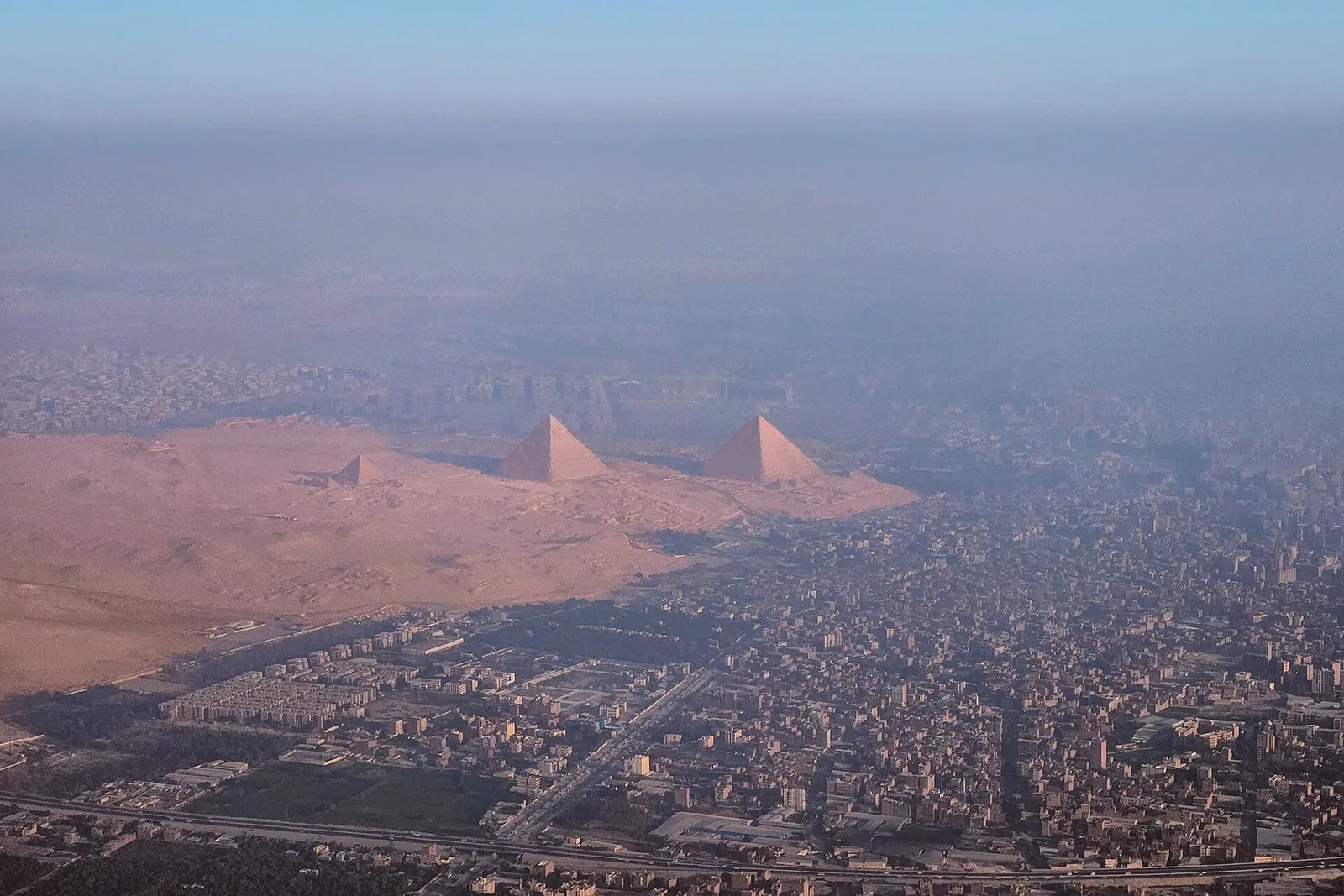
Egypt works as a family destination because its history is so physically present that children grasp it before any explanation is offered. The Great Pyramid of Giza is the only one of the Seven Wonders of the Ancient World still standing, and it is large enough to register immediately, even for a five-year-old arriving tired from a long-haul flight. The Nile is not merely a backdrop; families can sleep on it, sail it, and watch its banks shift from the rail of a cruise boat as ancient temples appear around each bend. That combination of spectacle and sensory variety is genuinely difficult to find elsewhere at the same price point.
As of 2026, Egypt’s family travel infrastructure has improved considerably. The Grand Egyptian Museum near Giza (which houses the complete Tutankhamun collection in a single wing) includes dedicated interactive galleries and is fully air-conditioned throughout, which matters enormously on a warm afternoon in the shadow of the pyramids. Cairo’s airport facilities have been modernised, and most reputable operators now include private air-conditioned transport as standard rather than an upgrade.
For families comparing long-haul destinations, Egypt also delivers strong value: a private guided pyramids visit, Nile cruise accommodation, and a professionally managed itinerary are accessible at price points well below equivalent cultural trips in Europe or South America when arranged directly through a local operator. Browse current Egypt tour packages for a clear picture of what is available across different group sizes and budgets.
Which Egypt Experiences Do Children Actually Enjoy Most?
Children respond most consistently to four experiences: the Giza Plateau, a traditional felucca sail on the Nile, the painted royal tombs of the Valley of the Kings, and the Luxor Temple Sound and Light Show, roughly in that order, based on what families report back on the ground.
At Giza, timing makes the biggest practical difference. The plateau is noticeably quieter before 9 am: tour coaches are still arriving, vendors are just setting up, and the morning light is long and photogenic rather than harsh and overhead. Arriving at opening and building in ninety minutes before the heat builds is the approach experienced guides consistently recommend. The Sphinx, seen from the lower terrace rather than the standard elevated viewpoint, tends to genuinely surprise children who were expecting something smaller.
In Luxor, the Valley of the Kings delivers something children rarely anticipate from an ancient site: saturated colour. The royal tombs are painted in extraordinary detail across their full height, and the scale of Ramesses VI’s tomb in particular tends to produce real awe in children aged six and above. Standard admission covers three tombs; Tutankhamun’s requires a separate ticket as of 2026, confirm current pricing when booking, as entrance fees are reviewed periodically. Karnak Temple, with its 134-column hypostyle hall, feels like a stone forest and needs at least two hours; bring water and let children set the pace between columns. Luxor day tours can be arranged to cover both sites in a single guided day.
In Aswan, a felucca ride is the activity that families most often describe as the unexpected highlight of the trip. A traditional sailboat journey on the Nile (typically one to two hours) requires nothing of children beyond sitting and watching as palm-fringed islands and smooth granite boulders drift past. The pace is slow, the breeze consistent, and the scenery unlike anything else in Egypt. Aswan excursions can be built around a morning felucca session combined with a visit to the Philae Temple, which sits on its own island and is reached by motor boat.
How Long Should a Family Egypt Tour Be?
Seven to eight days is the length most experienced family tour planners recommend as the sweet spot, long enough to recover from the journey, cover both Cairo and Upper Egypt, and still have at least one afternoon with no agenda.
| Trip Length | What You Can Comfortably Cover | Best For |
|---|---|---|
| 5–6 days | Cairo, Giza, optional Alexandria day trip | Short breaks; children aged 3–6 |
| 7–8 days | Cairo + Giza + Luxor + Aswan (or short Nile cruise) | Most first-time family visits |
| 10–12 days | Cairo + full Nile cruise + Aswan + one beach leg | Families wanting depth and variety |
| 14+ days | Add Siwa Oasis, Red Sea resorts, or Sinai | Older children; repeat visitors |
One practical note on pacing: Cairo’s traffic is genuinely heavy, and journeys that look short on a map can take significantly longer in practice. A transfer from central Cairo to the Giza Plateau, which appears to be a twenty-minute drive on paper, can easily run to forty-five minutes or more at mid-morning. Building realistic travel time into a family itinerary (rather than the optimistic estimates that sometimes appear on group-tour schedules) is one area where a private arrangement pays for itself immediately. Discuss your family’s preferred daily rhythm with your operator before finalising any schedule.
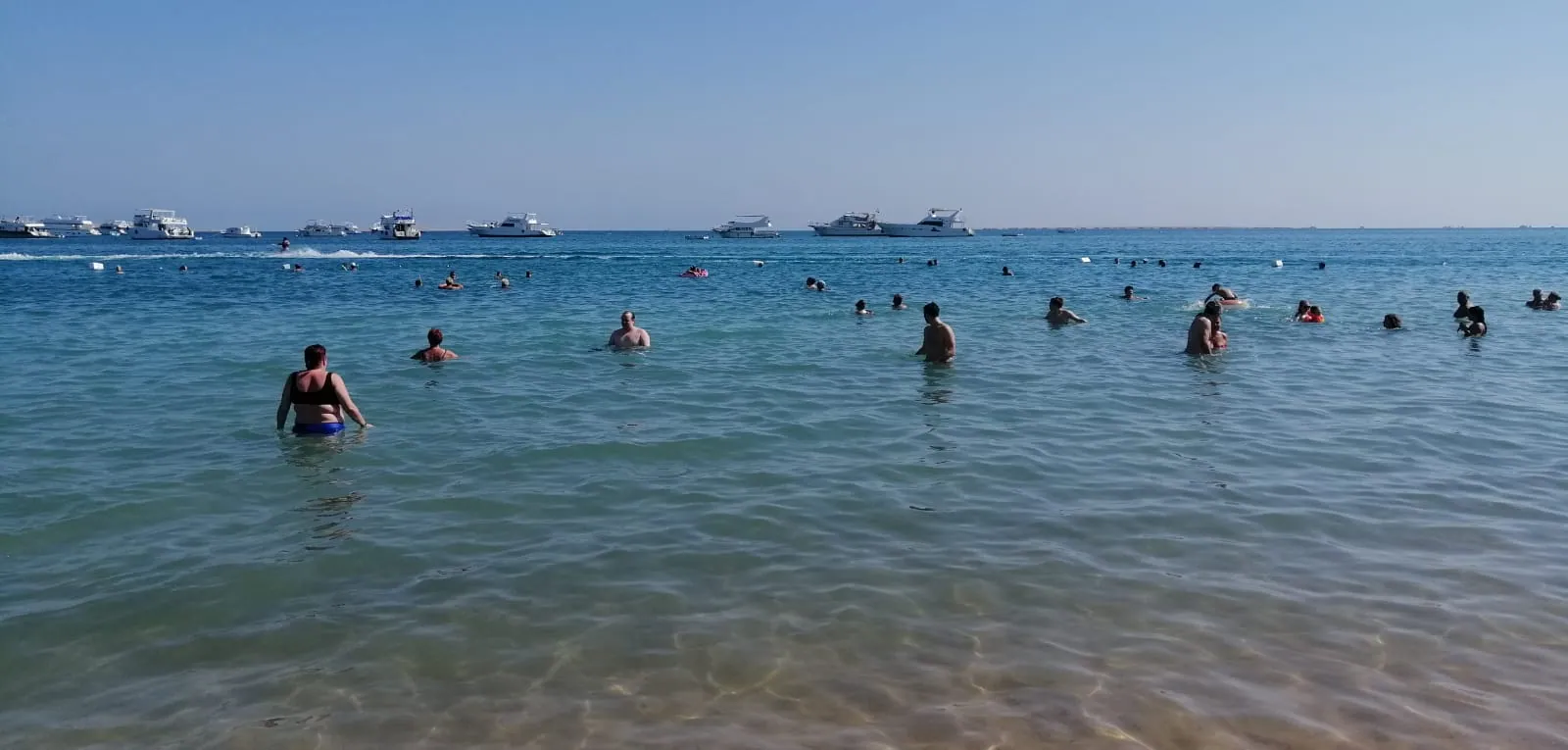
When Is the Best Time to Visit Egypt with Children?
October through April is the best window for travelling to Egypt with children, when temperatures across the country sit at comfortable walking levels and the main sites are pleasant to explore in daylight.
October and November are excellent: the summer heat has broken, crowds are moderate, and the Nile is well suited to cruising. December and January work very well for families on school-holiday schedules; Cairo is mild (often 15–20 °C by day), though evenings in southern Egypt can be cool enough for a light jacket. This is the most popular window for family travel, so book cabins and family hotel rooms well in advance. February and March are frequently described by guides as the most pleasant months of the year: quieter than December, warm but not hot, and with good availability across most cruise boats and hotels.
April sits at the upper edge of comfortable (increasingly warm and busy around the Easter school break) but remains feasible for most families. May through September brings intense heat, particularly in Luxor and Aswan, where temperatures regularly exceed 40 °C by midday. Travelling in this period with children under ten is not recommended; if your dates are fixed in summer, structure every day around early-morning site visits, a long indoor rest at midday, and optional late-afternoon outings only.
Sun protection is non-negotiable at any time of year: UV levels in Egypt are higher than in northern Europe even in winter. Pack high-SPF sunscreen, wide-brim hats, and a refillable water bottle for each family member. Bottled water is widely available and inexpensive throughout Egypt; avoid tap water and unpeeled raw fruit from market stalls as a general precaution. As of 2026, citizens of most Western countries can obtain a tourist visa on arrival at Egyptian airports or in advance via Egypt’s official e-visa portal, verify current requirements with your country’s foreign ministry before travel, as policy can change. Comprehensive travel insurance that includes medical repatriation is strongly advisable when travelling with children.
What Should a Good Egypt Family Tour Package Include?
A well-designed Egypt family package includes private air-conditioned transport, a qualified Egyptologist guide, accommodation arranged for family-sized rooms rather than adult twin-share defaults, and a daily schedule that builds in genuine rest time.
The features that matter most to families with children are often different from those that matter to couples or solo travellers. When reviewing any package, prioritise these:
- Private transport: Shared group coaches lock you to a fixed schedule. With young children, the ability to stop, adjust, or leave a site early without affecting other travellers is worth considerably more than the saving on a group rate.
- Licensed Egyptologist guide: A guide trained to pitch explanations at different ages transforms a site visit from a walking tour into an experience children remember. Egypt’s Supreme Council of Antiquities issues licences to qualified guides; ask your operator to confirm credentials before booking.
- Nile cruise option: A cruise between Luxor and Aswan packages several temple sites into one self-contained vessel. Children generally take to boat life quickly: meals are included, excursions depart from the dock, and there is no daily packing and unpacking. A five-night cruise is the most common family choice.
- Flexible rest time: Itineraries that schedule back-to-back site visits without breaks are taxing for children and frequently result in the final stop of the day being wasted. Reputable operators build a midday rest window into family schedules as a matter of course, particularly in shoulder and summer months.
- Cairo beyond the pyramids: The capital rewards a second look: Cairo tours covering the Islamic Quarter, Khan el-Khalili bazaar, and the Egyptian Museum of Civilisation can all be calibrated to children’s attention spans with a patient guide.
Ready to Plan Your 2026 Egypt Family Trip?
Share your travel dates, your children’s ages, and how many days you have; Ahmose Travel will put together a private itinerary matched to your family’s pace, with no obligation.
How Do You Choose a Trustworthy Egypt Family Tour Operator?
The single most important factor when choosing an Egypt family tour operator is whether they arrange the trip directly in Egypt, rather than subcontracting to a local handler once you arrive.
Ahmose Travel is an Egyptian tour operator based in Alexandria that organises family, cultural, and leisure trips across Egypt directly, without a middleman layer. The practical difference is accountability: when a guide doesn’t appear on time, a transfer runs late, or a hotel room assignment is wrong, an operator with a team on the ground can resolve the issue the same day. An overseas reseller relaying messages across multiple time zones frequently cannot. You can reach the Ahmose Travel team directly via WhatsApp at +20 127 530 7375.
When evaluating any operator, ask three specific questions: Who is the licensed guide assigned to this trip? Who manages the Nile cruise vessel or ground transport? What is the resolution process if something changes on the day? The answers reveal quickly whether the company is genuinely operating the tour or merely selling a package assembled by others.
What Does an Egypt Family Tour Typically Cost in 2026?
Egypt family tour pricing varies considerably based on group size, cruise category, hotel standard, and season, but as a broad guide, well-structured private packages covering Nile cruise accommodation, guided excursions, and airport transfers typically start in the region of $1,500–$4,000 per adult for a 7–8 day trip, with children’s rates usually reduced depending on age and the specific operator’s policy.
The most reliable way to understand what a trip will cost for your specific family is to contact an operator directly with your dates and group composition. Pricing built around a family of four with two children aged eight and twelve will look meaningfully different from pricing for a couple travelling without children, both in cabin configuration and per-person rate. Request a written quote that itemises inclusions clearly.
What a family package should always include as a minimum: private airport transfers, a licensed guide at each major site, entrance fees to the agreed sites, Nile cruise full-board accommodation if a cruise is included, and a clear written cancellation policy. What it may or may not include: international flights, travel insurance, personal spending money, and optional add-on excursions. Confirm the inclusions in writing and ask specifically about any items marked “optional” or “local payment” before paying a deposit.
Egypt Tour Packages: 5 to 11 Days
Per person from $650 · private and small-group itineraries with hotels, guides and transfers. Real local operator in Alexandria, message us with your dates and group size for an exact quote.
- Discover Egypt: 11 Days All-Inclusive: Adults from $1725
- Classic Egypt: 10 Days Tour: Adults from $1550
Frequently Asked Questions
Egypt’s main tourist areas, Cairo, Luxor, Aswan, and the Red Sea resorts, have a long-established presence of international family travellers. As of 2026, the UK Foreign, Commonwealth & Development Office rates these tourist zones as generally accessible for travel; always check the current advisory for your own country before booking, as government assessments are updated regularly. The most common practical challenges families face are sun exposure, mild dietary adjustment in the first day or two, and fatigue from long site visits, all manageable with preparation. A knowledgeable local operator will brief you on current on-the-ground conditions when you enquire.
Most Nile cruise operators welcome children of all ages, and the format suits families particularly well: there is no daily packing and unpacking, meals are included on board, and the river deck gives children space to move between temple excursions. Children aged six and above tend to engage actively with the sites visited en route; younger children handle the cruise itself comfortably but may find lengthy temple walks tiring. A five-night cruise between Luxor and Aswan (or the reverse) is the most popular family choice and covers the principal Upper Egypt temples at an unhurried pace.
As of 2026, children travelling on most Western passports require the same tourist visa as adults, obtainable on arrival at Egyptian international airports or in advance through Egypt’s official e-visa portal. Egypt now generally requires an individual passport for every traveller regardless of age, even infants. Verify the specific requirements for your nationality with the Egyptian consulate or your country’s foreign affairs ministry well before departure, as visa policy can change between when an article is written and when you travel.
For peak-season travel (October through April), booking three to six months ahead is advisable; Nile cruise cabins have limited capacity, and family-sized configurations fill quickly for the Christmas, February half-term, and Easter windows. Last-minute availability does exist, particularly in May and early September, but adjoining hotel rooms and family cabins are harder to secure at short notice than adult twin-share options. Booking early also gives you time to tailor the itinerary around your children’s ages and specific interests, rather than accepting a fixed group schedule that may not suit younger travellers.