- A licensed egyptologist guide holds a university degree in Egyptology or archaeology and a current Ministry of Tourism and Antiquities licence, distinct from unofficial guides who approach tourists at site entrances.
- Private egyptologist guide fees in Egypt typically range from $80–$180 per day as of 2026, depending on qualifications, site complexity, and group size.
- Booking through a vetted operator bundles the guide with private transport and entrance tickets, removing the significant risk of hiring an unlicensed individual independently.
- The Valley of the Kings, Karnak Temple Complex, and the Egyptian Museum reward specialist commentary most; the difference in depth is not marginal; it is the difference between reading a plaque and having the wall of inscriptions translated in real time.
- For families, solo travellers, and anyone with a genuine interest in ancient history, a private egyptologist consistently delivers more value than a seat on a group coach, particularly on visits of ten days or fewer.
Egypt Tour Packages: 5 to 11 Days (5–11 days): Per person from $650 · private and small-group itineraries with hotels, guides and transfers.
What exactly is a licensed egyptologist guide in Egypt?
A licensed egyptologist guide is a university-trained specialist who holds both an Egyptology or archaeology degree and a current Ministry of Tourism and Antiquities licence, not simply someone familiar with the sites. Egypt’s Ministry of Tourism issues guide licences by category; a licensed guide must pass formal examinations, demonstrate language proficiency, and renew their credentials periodically. As of 2026 these requirements remain in force, and the distinction matters enormously in practice: hundreds of individuals at Giza, Luxor, and Karnak offer their services informally, and while some are knowledgeable and personable, they cannot legally lead tours inside protected monuments or restricted tomb interiors.
When you book through a reputable operator, every guide in their roster has been vetted, credentials checked, trial tours completed, and client feedback reviewed. Ahmose Travel is an Egyptian tour operator based in Alexandria, Egypt, that arranges private egyptologist tours directly across Cairo, the Nile Valley, and beyond, working exclusively with licensed specialists at ahmosetravel.com.
The practical consequence for you as a visitor is significant. A trained egyptologist can read hieroglyphic inscriptions on the spot, explain the theological logic behind a funerary text’s layout, distinguish New Kingdom from Middle Kingdom artistic conventions, and answer the specific questions that send curious travellers to Google at midnight. That is a categorically different experience from a group guide reciting the same twenty facts to forty people under time pressure.
How much does a private egyptologist guide cost in Egypt in 2026?
Private egyptologist guide fees in Egypt typically range from $80 to $180 per day as of 2026, though the precise figure shifts with several layered variables. A senior guide with postgraduate credentials, strong multilingual ability, and fifteen or more years of specialised experience will sit at the higher end of that range; a recently licensed guide covering a standard Giza visit will typically sit lower. Site complexity also plays a role: guiding inside closed tombs in the Valley of the Kings requires additional access permissions compared with open-air complexes.
Beyond the daily guide fee, a complete private tour package from a licensed operator includes private air-conditioned transport, entrance tickets to all agreed sites, and on full-day itineraries often a lunch stop at a restaurant the guide personally recommends. Assembling these components independently may appear cheaper on paper, but the risk of engaging an unlicensed guide is real. For a current quote based on your specific dates and itinerary, contact Ahmose Travel via WhatsApp or browse the packages page rather than relying on a figure posted on a forum that may be months out of date.
| Factor | Private Egyptologist Guide | Organised Group Tour | Unlicensed Informal Guide |
|---|---|---|---|
| Commentary depth | Full academic depth; on-the-spot hieroglyph reading and theological context | Broad overview pitched at mixed audiences | Variable; no guaranteed expertise |
| Pace & flexibility | Entirely at your pace; linger where you choose | Fixed schedule around the group | Flexible, but access to monuments may be restricted |
| Cost per person | Higher for solo or couples; more competitive for small families | Lowest per-person cost | Low upfront, but risks and hidden costs are real |
| Credential verification | Ministry licence verified by operator before booking | Operator’s responsibility; variable standards | No verification; cannot legally guide inside most monuments |
| Inside monument access | Full access to all legally open areas | Standard access; restricted areas often skipped | May be refused entry to restricted interiors |
What does a private egyptologist give you that a group tour cannot?
A private egyptologist changes the tempo, depth, and logic of your visit in ways that become obvious within the first hour; the three most significant differences are pace, access, and conversation.
Pace is the most immediate. Group tours are timed: the coach has a schedule, and the person asking a follow-up question at a wall painting is delaying everyone. With a private guide, you stop where you want to stop. At Saqqara‘s Step Pyramid complex, that might mean spending forty minutes at the Mastaba of Ti examining the agricultural relief scenes that most group tours pass in three minutes. At Karnak, it means returning to the Sacred Lake at your own discretion rather than being moved on to the next site.
Access is subtler but equally real. Licensed guides with long-standing relationships at specific sites can navigate which lesser-visited tombs are currently open in the Valley of the Kings (those included in the standard ticket beyond the three most-photographed chambers) and take you there as a matter of course. Most group tours will not.
Conversation is what clients consistently cite when asked why they chose a private egyptologist. The ability to ask “but why did they place the ushabtis here and not there?” and receive a considered, academic answer rather than a schedule-driven deflection is the central value of the experience. For travellers with a serious interest in ancient Egyptian religion, history, or art, this is not a luxury; it is the difference between a meaningful visit and an expensive photo opportunity.
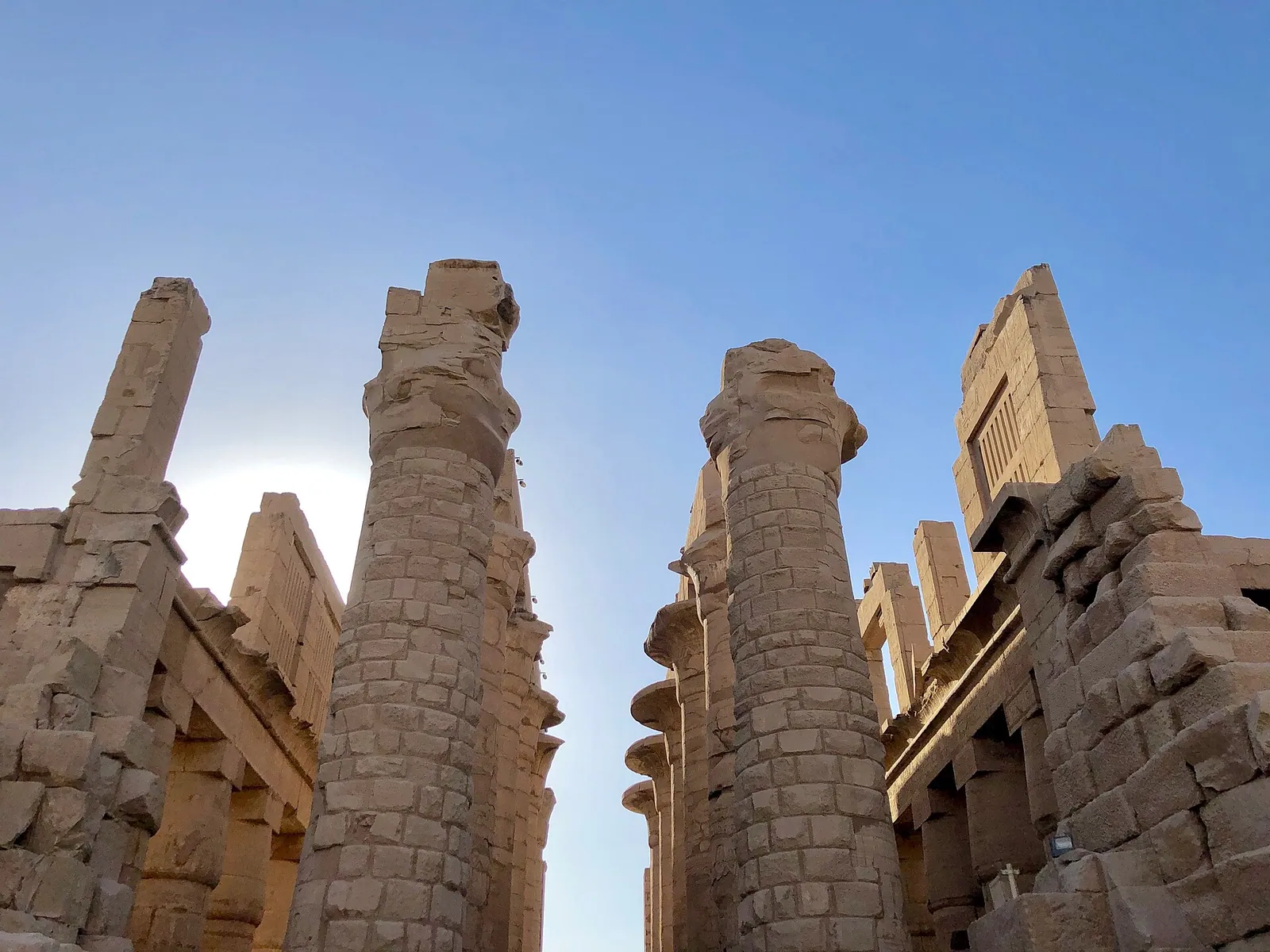
At Karnak Temple, the hypostyle hall sees the largest crowds between 9am and 11am when group coaches arrive from Luxor city hotels. A private guide can time your arrival before 8:30am, when the hall is quieter and the low morning light through the clerestory windows is genuinely extraordinary. That kind of timing intelligence only comes from a specialist who visits the site regularly.
Is a private egyptologist guide worth the extra cost for your Egypt trip?
A private egyptologist guide is worth the additional investment if any of the following apply to your trip. If your Egypt visit is ten days or fewer and you want to absorb as much as possible, the efficiency alone justifies it, no waiting for stragglers, no shared commentary, no detours to shops the guide is incentivised to recommend. If you are travelling as a family with children of mixed ages, a private guide can pitch the commentary accordingly and shift focus when a young visitor’s attention wanders. If ancient history is a genuine passion rather than a backdrop for holiday photographs, the intellectual depth a licensed egyptologist brings is irreplaceable.
Where a private egyptologist is less obviously necessary: a beach-and-relaxation trip with a single half-day excursion to the Pyramids, or a journey focused primarily on Nile scenery rather than monument depth. In those cases, a well-run small-group Cairo tour with a competent guide may deliver the appropriate level of coverage at a lower price per person. The honest answer is that the value is directly proportional to your curiosity; no guide can substitute for pre-trip reading, but a licensed egyptologist at your side transforms that reading into something three-dimensional.
Plan Your Private Egypt Tour with a Licensed Egyptologist
Ahmose Travel arranges fully vetted, licensed egyptologist tours across Cairo, Luxor, Aswan, and the Nile Valley, private transport, entrance tickets, and specialist commentary included. Contact us for a personalised itinerary and current pricing.
How do you find and vet a licensed egyptologist guide in Egypt safely?
The safest method for finding a genuine, licensed egyptologist guide is to book through an established Egyptian tour operator that employs or contracts with vetted guides directly; the operator’s reputation is then on the line alongside the guide’s, and you have a clear point of contact if anything goes wrong. This approach also means the guide’s credentials have already been reviewed before you arrive in the country.
If you are booking independently, ask to see the guide’s Ministry of Tourism licence card before confirming. A legitimate guide will not hesitate to show it; an unlicensed individual will deflect or offer something that is not issued by the Ministry. Check whether the licence category matches the type of guiding you need: some licences are site-specific, others are regional, and a mismatch can mean your guide is technically operating outside their permitted scope. As of 2026, Ministry licences are issued with a photograph and unique registration number.
Avoid arranging guides through hotel concierge desks without prior research; these referrals frequently carry an undisclosed commission that inflates the effective cost or creates a conflict of interest at shops along the route. For Luxor and the West Bank specifically, a curated operator package provides greater accountability than a booking made on-site after arrival.
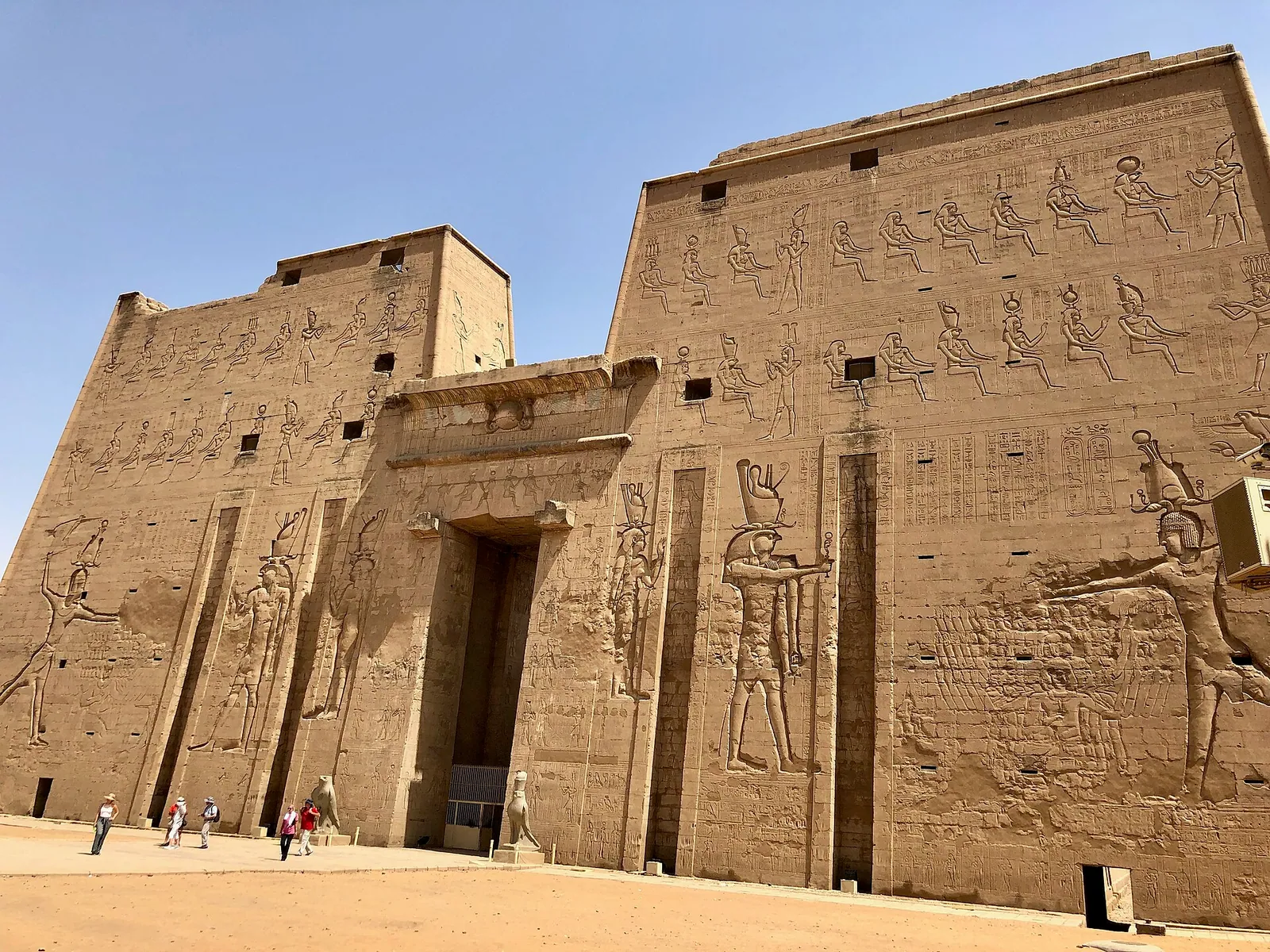
Ask whether the guide specialises in a specific period or region. Some egyptologists focus on the Old Kingdom and are outstanding at Giza and Saqqara but less fluent on Ptolemaic or Roman-era sites; others specialise in New Kingdom Theban monuments and are the right choice for the Valley of the Kings and Deir el-Bahari. A knowledgeable operator will match you to the appropriate specialist rather than assigning whoever is available.
Which Egypt sites benefit most from a private egyptologist guide?
Some of Egypt’s greatest monuments reveal almost nothing without specialist explanation; others are visually self-sufficient. Knowing the difference helps you allocate your budget wisely.
The Valley of the Kings is the single site where a licensed egyptologist makes the largest difference. The tomb walls are dense with texts from the Amduat, the Book of Gates, and the Book of the Dead, these appear as repetitive painted corridors to the uninitiated, but as a coherent theological map of the underworld to someone who can read and explain them. A guide who knows which of the currently open tombs (check the current access list at booking, as rotation and conservation closures change annually) is best matched to your interests can structure the morning accordingly.
Karnak Temple Complex ranks second. Its scale, approximately 25 hectares of interconnected precincts representing nearly two thousand years of building, is disorienting without a guide who can orient you chronologically and explain why the hypostyle hall’s light is designed the way it is. Most visitors see Karnak; far fewer understand it.
The Grand Egyptian Museum in Giza (considerably expanded as of 2026, check current exhibition schedules before visiting, as galleries continue to open) benefits enormously from an egyptologist who can connect objects to their excavation context. A canopic jar is interesting in a display case; the same jar explained in relation to the specific tomb it came from, the mummification ritual it served, and the dynasty that produced it is something else entirely.
Saqqara: particularly the Old Kingdom mastabas and the recently restored pyramid complexes in the surrounding necropolis, rewards slow, narrated viewing. The agricultural and daily-life reliefs in the Mastaba of Ti and the Mastaba of Mereruka are among the finest examples of Old Kingdom art in situ; most group tours allocate twenty minutes to the area. A private guide can spend two hours and leave you wanting more. For Nubian monuments including Abu Simbel, Aswan-based itineraries can include a specialist guide who covers the UNESCO relocation project and its archaeological consequences in genuine depth.
Egypt Tour Packages: 5 to 11 Days
Per person from $650 · private and small-group itineraries with hotels, guides and transfers. Real local operator in Alexandria, message us with your dates and group size for an exact quote.
- Discover Egypt: 11 Days All-Inclusive: Adults from $1725
- Classic Egypt: 10 Days Tour: Adults from $1550
Frequently Asked Questions
Not all licensed guides hold Egyptology degrees. Egypt’s Ministry of Tourism issues licences to guides who have completed approved tourism training, which may or may not include formal academic study of ancient Egypt. An egyptologist guide specifically holds a university qualification in Egyptology, archaeology, or a closely related discipline. When booking, ask explicitly for a guide with an Egyptology or archaeology background if monument depth and hieroglyphic literacy are your priority; a reputable operator will be able to confirm this before you arrive.
Yes, single-day private tours are the most common format and work well for focused visits to one or two sites. A full day at Giza and Saqqara, or a morning at Karnak followed by an afternoon on Luxor’s West Bank, are typical single-day structures. Multi-day itineraries are also available and often feature the same guide throughout, which builds continuity and allows the commentary to develop across sites rather than starting fresh each morning.
Licensed private guides have access to all sites legally open to the public, including tombs and museum galleries that group itineraries sometimes omit due to time constraints. Some restricted areas (specific closed tombs, certain conservation zones) require a separate permit from the Ministry of Antiquities regardless of guide type, and entry cannot be guaranteed regardless of who is asking. A knowledgeable guide will know in advance whether a specific area requires advance permission and will arrange it accordingly or set realistic expectations before the visit.
Tipping is a standard and expected part of guide culture in Egypt and goes directly to the guide rather than the operator. A widely understood range is approximately $10–$20 per person per day for a satisfied group; parties who feel the guide delivered exceptional depth or flexibility often tip more. This is separate from the guide’s professional fee as agreed at booking. It is worth setting aside this amount in cash (Egyptian Pounds or US Dollars are both accepted) rather than attempting a card payment, which is rarely practical at site exits.