- A Cairo–Luxor–Aswan multi-city tour typically spans 8–12 days, covering Egypt’s three most historically significant destinations in one continuous itinerary.
- Package prices broadly range from around $800 to $2,500+ per person; the spread reflects hotel grade, group size, season, and whether a Nile cruise segment is included.
- October to April is the most comfortable travel window; Luxor and Aswan regularly exceed 40 °C in summer, making outdoor site visits genuinely demanding.
- Domestic flights between Cairo and Luxor or Aswan take roughly one hour; some packages substitute or supplement air travel with a 3–4-night Nile cruise between Luxor and Aswan.
- For a tailored quote, contact Ahmose Travel with your exact dates, group size, and preferred accommodation grade; published ranges vary too widely to be useful without those details.
Egypt Tour Packages: 5 to 11 Days (5–11 days): Per person from $650 · private and small-group itineraries with hotels, guides and transfers.
What Does an Egypt Multi-City Tour Cairo–Luxor–Aswan Actually Include?
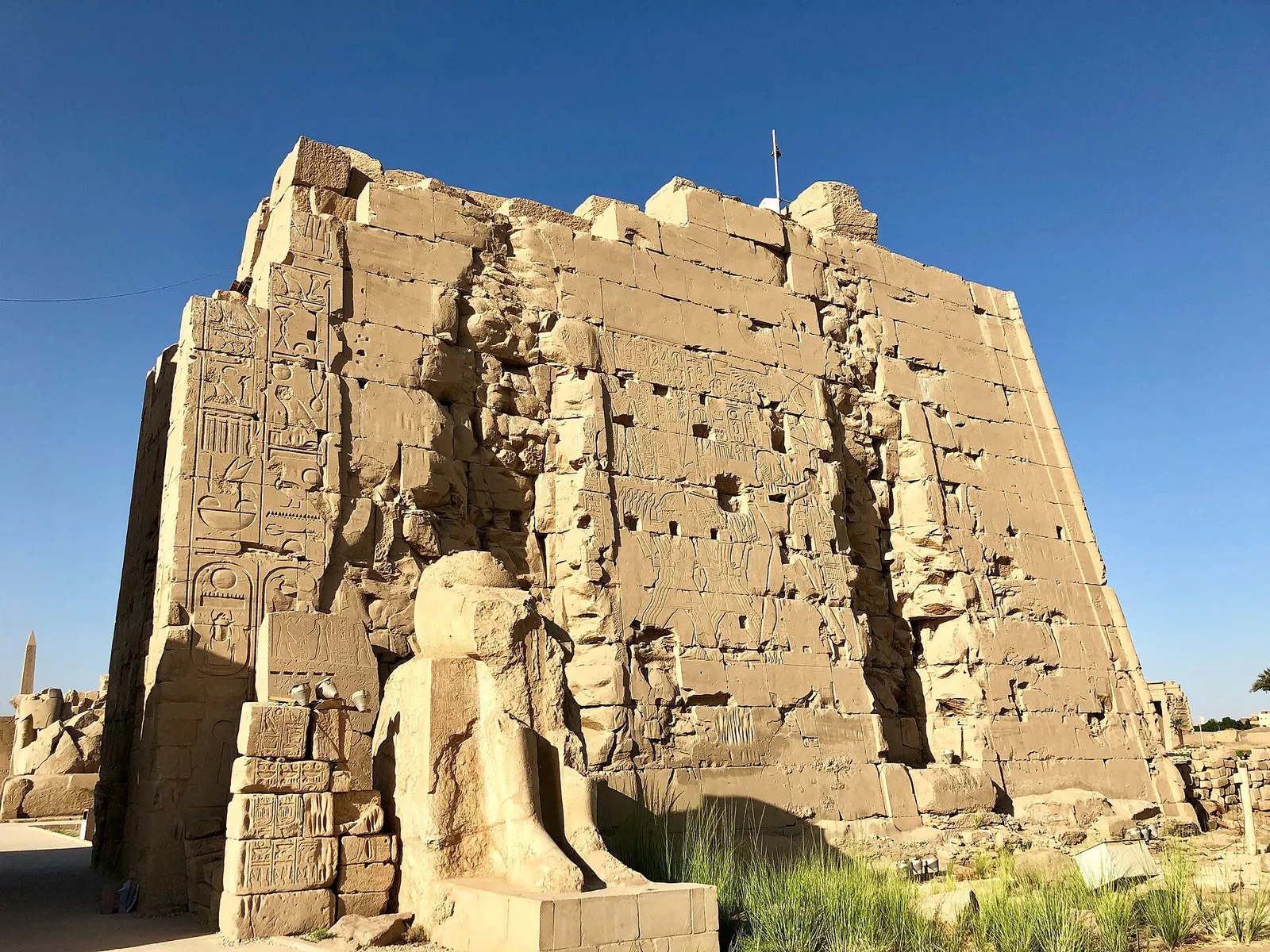
A well-structured Cairo–Luxor–Aswan package covers the three destinations that together give you an unbroken arc of Egyptian history, from the Old Kingdom monuments on the Giza plateau to the New Kingdom temples lining the Nile in Upper Egypt. At its core, expect guided visits to Cairo‘s flagship sites (the Pyramids of Giza, the Sphinx, Saqqara, the Egyptian Museum or the Grand Egyptian Museum), domestic flights south to Luxor for Karnak Temple, the Valley of the Kings, and the West Bank necropolis, then onward to Aswan for Philae Temple, the High Dam, and Abu Simbel if you add that excursion.
Most operators bundle return domestic flights, airport transfers, accommodation on a bed-and-breakfast or half-board basis, an English-speaking Egyptologist guide, and entrance fees to the main sites. Some packages fold in a Nile cruise segment between Luxor and Aswan, a genuinely different experience from moving between cities by air alone. What is typically not included: visa fees, travel insurance, personal spending, and discretionary tips. Always verify the full inclusions list before comparing package prices across different operators, as the headline figure can mask significant gaps. For a full overview of what package structures look like, see our Egypt packages page.
As of 2026, the Grand Egyptian Museum near Giza has been opening its galleries in stages over several years. Confirm with your operator which halls are accessible on your specific travel date, as the phased opening schedule has continued to evolve and some permanent galleries may still be completing fit-out. Your guide will brief you on the current situation once you are on the ground.
How Much Does a Cairo–Luxor–Aswan Package Cost in 2026?
Package prices for this route broadly sit between $800 and $2,500+ per person, a spread wide enough that it needs unpacking before it is useful. The single biggest driver is accommodation grade: a package built around comfortable three-star hotels or a mid-range Nile cruise vessel sits at a very different price point from one using five-star river boats or luxury city properties. Group size is the second variable, private tours cost more per head than small-group shared departures but give you complete flexibility over timing and pace. Season is the third: peak winter months (December–January) and major public holidays push prices upward; travelling in October–November or February–March typically offers better value with comparable conditions.
| What drives the cost up | What brings it down |
|---|---|
| Five-star hotels and luxury Nile cruise vessel | Three-star accommodation or mid-range cruise |
| Private tour (exclusive guide and vehicle) | Small-group shared departure |
| Peak winter season (Dec–Jan) or public holidays | Shoulder season (Oct–Nov or Feb–Mar) |
| Abu Simbel overnight excursion added | Abu Simbel as a day trip by air from Aswan |
| Full-board meals included throughout | Bed-and-breakfast only, meals at your discretion |
Because these variables interact, the most reliable figure comes from a personalised quote. Contact Ahmose Travel with your dates, group size, and hotel preferences and you will receive a proper itemised breakdown rather than a range that may bear little resemblance to what you actually want to book.
How Many Days Do You Need to Cover Cairo, Luxor and Aswan Properly?
Eight days is the realistic minimum; ten to twelve lets you absorb each destination at a more human pace and add Abu Simbel without feeling pressed for time. In Cairo alone, the Giza plateau and Saqqara together are a full day; the Egyptian Museum (or Grand Egyptian Museum), Khan el-Khalili bazaar, the Citadel, and Coptic Cairo each justify meaningful half-days, two solid days at minimum, three if you want genuine breathing room. On the Luxor side, the East Bank (Karnak and Luxor Temple) and the West Bank (Valley of the Kings, Hatshepsut’s Temple, the Colossi of Memnon) comfortably fill two days, three if you want to explore individual tombs with the attention they deserve.
Aswan rewards slower travel. Philae Temple, a felucca on the Nile, and a walk through the Nubian villages on Elephantine Island fill a day and a half even without Abu Simbel. The Abu Simbel excursion adds at least a full day; most visitors fly (roughly one hour each way from Aswan), though an overnight stay at Abu Simbel gives you the temples in extraordinary early-morning light before day-trippers arrive from the city.
If you include a Nile cruise between Luxor and Aswan (typically three to four nights) plan for twelve days in total. The cruise docks at Edfu and Kom Ombo, adding two temple visits that are genuinely difficult to reach on a purely land-based itinerary. For more on what a focused Cairo stay involves, see our Cairo tours page.
What Is the Best Time to Travel This Route in 2026?
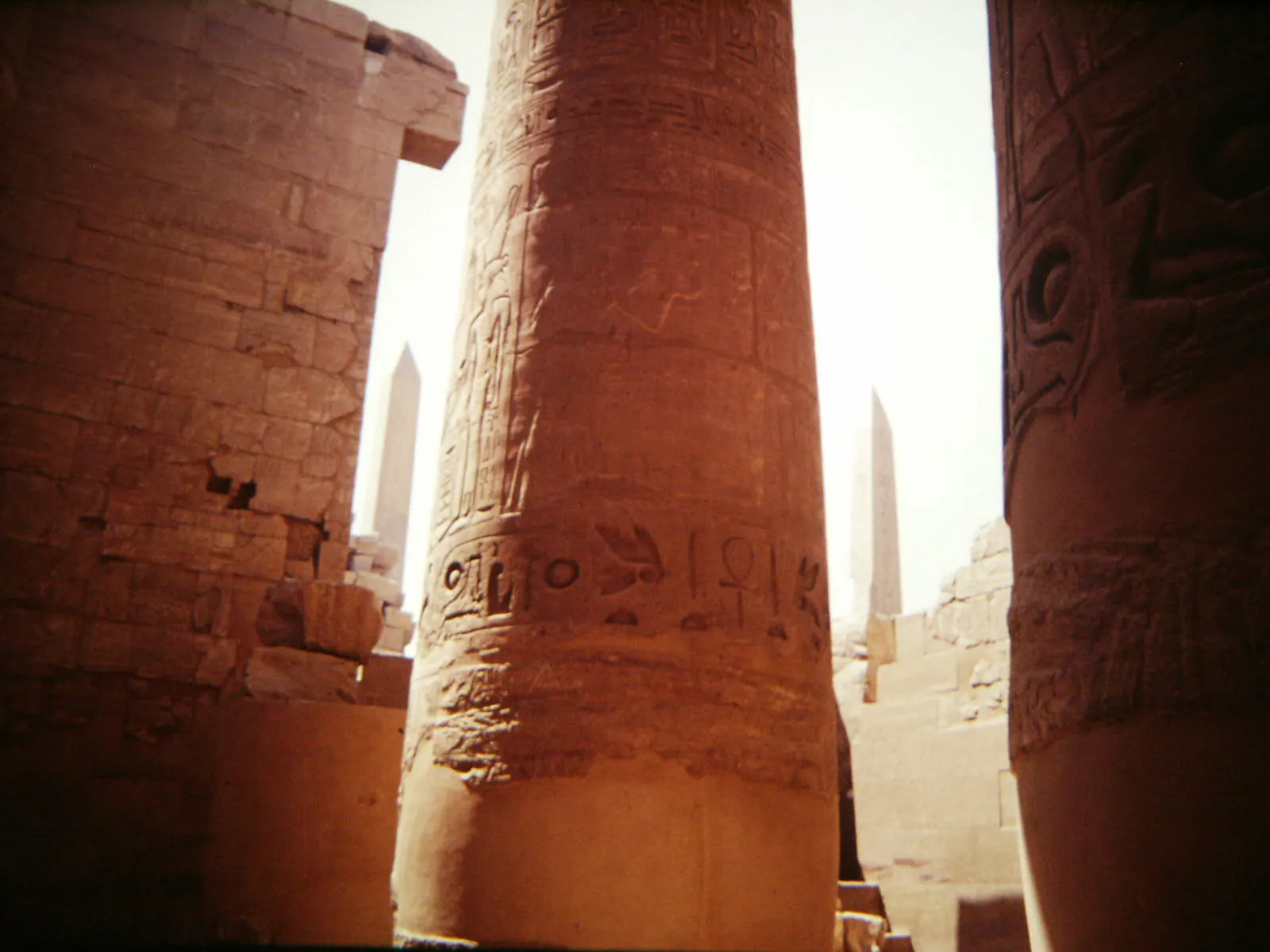
October through April is the most comfortable window for a Cairo–Luxor–Aswan itinerary, with Upper Egypt noticeably hotter than Cairo and regularly exceeding 40 °C from June through August. The coolest months (November through February) are peak season for a reason: clear skies, daytime temperatures in the low-to-mid twenties at Luxor and Aswan, and the kind of desert light that makes sandstone temples glow at dawn. One practical note: arriving at Karnak Temple before 9am places you well ahead of the large tour coaches that fill the hypostyle hall by mid-morning; the atmosphere and photography are meaningfully different before the crowds arrive.
March and April are excellent shoulder-season months: warm rather than hot, smaller crowds than the December–January peak, and sharper pricing. Summer travel is feasible and considerably cheaper, but requires honest tolerance for intense heat at exposed outdoor sites, particularly on the West Bank in Luxor. Ramadan, whose dates shift annually, affects restaurant hours and the rhythm of daily life in cities; archaeological sites generally remain open, but meal logistics need planning. Check the 2026 Ramadan calendar before finalising your booking.
Ready to Plan Your Cairo–Luxor–Aswan Trip?
Ahmose Travel is an Egyptian tour operator based in Alexandria that arranges multi-city Egypt packages directly, no intermediaries, no opaque mark-ups. Share your travel dates, group size, and preferred accommodation level and we will put together a full, itemised itinerary and quote.
How Do You Travel Between Cairo, Luxor and Aswan?
Domestic flights are the default for most package itineraries and the fastest way to cover the distances: Cairo to Luxor and Cairo to Aswan each take around one hour in the air. EgyptAir and other domestic carriers serve both routes multiple times daily as of 2026, check current schedules before travelling, as frequencies adjust seasonally. Most multi-city packages include the domestic flights in the quoted price; confirm this explicitly when comparing offers, as excluding flights changes the cost comparison significantly.
The option that changes the character of the trip entirely is a Nile cruise between Luxor and Aswan. Cruise boats typically depart from the east-bank dock in Luxor (close to the town centre) in the late afternoon or evening, and travel south over three to four nights, stopping at Edfu and Kom Ombo en route. The two temple stops are among the best-preserved in Egypt, and the river passage itself through the agricultural heartland of Upper Egypt is a highlight in its own right. Our Luxor tours and Aswan tours pages give more detail on what to expect at each end of the cruise.
Overland by road, Luxor to Aswan is roughly 230 km and about three hours by private vehicle, a practical option used by some packages, particularly when incorporating roadside stops. Cairo to Luxor by road is around 700 km and upwards of eight hours; this is rarely included in modern itineraries except for specialised slow-travel programmes that stop at Abydos or Dendera along the way.
What Should You Watch for When Booking a Multi-City Egypt Package?
The most common source of disappointment in multi-city Egypt packages is a vague inclusions list, specifically, which entrance fees are actually covered. A package may quote a headline price that excludes individual tomb tickets within the Valley of the Kings (each royal tomb beyond the standard allocation carries a separate charge as of 2026), or the Abu Simbel entry fee, or access to specific inner chambers at a given temple. Before you commit, ask your operator to list every site entrance that is and is not included, in writing.
Guide quality is the variable that most determines whether a monument visit becomes genuinely memorable or merely another stop on a checklist. An Egyptologist who can read hieroglyphic cartouches on a wall, who knows that the rear colonnade at Luxor Temple catches extraordinary light in the late afternoon, and who understands the political context behind a particular battle relief transforms the experience. When evaluating operators, ask specifically whether guides hold Egyptian Egyptologist licences or are general-purpose escorts.
If you are travelling alone, check the single-supplement policy before booking. Many operators apply a supplement of 20–40% for sole occupancy of a double room; Nile cruise cabins are almost always priced per person sharing. Some operators offer a room-share option to reduce this cost; worth asking about if you are on a tighter budget.
Egypt Tour Packages: 5 to 11 Days
Per person from $650 · private and small-group itineraries with hotels, guides and transfers. Real local operator in Alexandria, message us with your dates and group size for an exact quote.
- Discover Egypt: 11 Days All-Inclusive: Adults from $1725
- Classic Egypt: 10 Days Tour: Adults from $1550
Frequently Asked Questions
Yes; this is the most popular first-time itinerary in Egypt for good reason. It covers the country’s most significant Pharaonic sites, spans three distinct landscapes and city characters, and runs logistically smoothly when arranged through a reputable operator who handles transfers, domestic flights, and guiding. First-time visitors benefit particularly from having an Egyptologist on hand: context transforms what would otherwise be an impressive but hard-to-interpret sequence of ancient stone into something genuinely comprehensible and moving.
Yes, many travellers extend a Cairo–Luxor–Aswan trip with two to four nights at a Red Sea resort. Hurghada is the most straightforward add-on from Luxor; direct flights exist and transfer time is short. Sharm el-Sheikh is most easily accessed from Cairo. Adding a beach segment typically extends the overall trip to 12–15 days and provides a relaxed close after the intensity of the monument circuit. Domestic flight schedules and frequencies change seasonally, so confirm availability for your specific dates.
Most nationalities require a visa to enter Egypt. As of 2026, citizens of many countries can apply for a tourist e-visa through the Egyptian government’s official online portal before they travel, or obtain a visa on arrival at Cairo International Airport and other major entry points. Eligibility rules and fees change periodically; verify the current requirements for your specific passport well in advance of your departure date and do not rely on guidance from previous years.
For peak-season travel (November–February), booking two to four months in advance is advisable; particularly if you have specific hotels in mind or want a confirmed place on a Nile cruise vessel at a set departure date. Popular cruise boats and well-rated city hotels in Luxor and Aswan fill faster than most travellers expect. Shoulder and summer travel offers more flexibility, but if your dates are fixed, booking early is always the lower-risk approach regardless of season.