Egypt Tour Packages: 5 to 11 Days (5–11 days): Per person from $650 · private and small-group itineraries with hotels, guides and transfers.
Egypt’s Two Coastlines: One Holiday, Two Seas
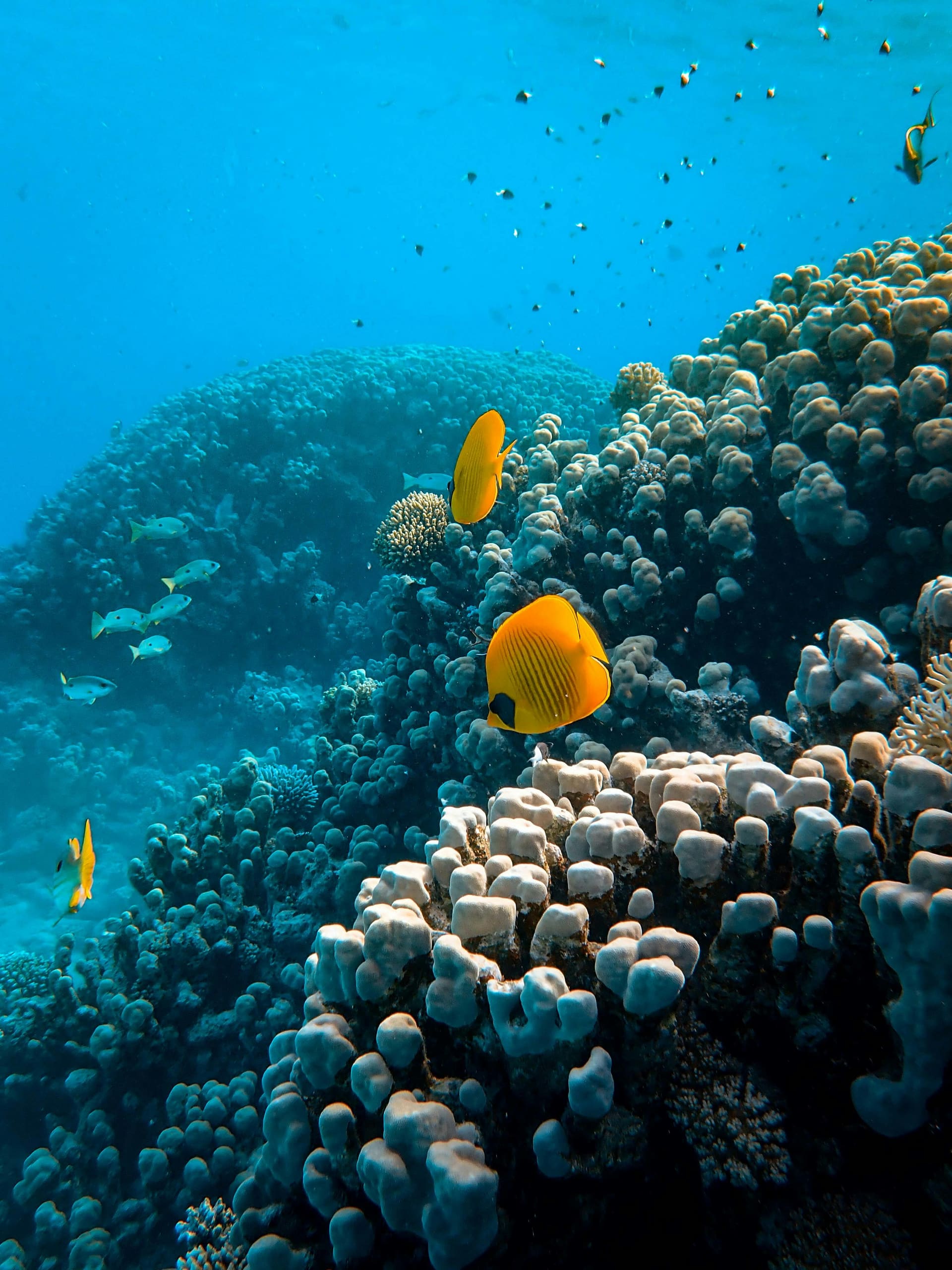
Egypt is one of the few countries on earth blessed with two entirely different coastlines. To the east, the Red Sea stretches more than 1,200 kilometres from the Gulf of Suez to the Sudanese border, offering warm, gin-clear water and some of the world’s richest coral reefs. To the north, the Mediterranean Sea laps at over 1,000 kilometres of sand, a cooler, breezier shore studded with turquoise bays and laidback resort towns that feel a world apart from the tourist trail. Whether you are a diver chasing coral gardens, a family hunting calm shallows, or a sun-seeker who simply wants space and silence, Egypt has a beach for you in 2026.
This guide covers the standout beaches on both coasts; what makes each special, who each suits best, and how to make the most of your visit. Browse Ahmose Travel’s Sharm el-Sheikh tours or the North Coast page for ready-made packages, or read on for the full picture.
Sharm el-Sheikh: The Red Sea’s Crown Jewel
Ask most international visitors to name Egypt’s best beach destination and the answer is almost always Sharm el-Sheikh. Perched at the southern tip of the Sinai Peninsula, Sharm benefits from near-year-round sunshine, a near-total absence of waves (the Gulf of Aqaba is naturally sheltered), and underwater scenery that rivals anything in the Indo-Pacific.
The town’s beaches range from buzzing resort strips to quiet coves. Naama Bay is the lively heart, a curved bay lined with hotels, dive centres, and restaurants, ideal for those who want convenience on their doorstep. A short drive south, Shark’s Bay is calmer and less crowded, with sandy, shallow entry points well suited to children and non-swimmers. Further along, the beaches fronting Ras Um Sid sit above some of the finest shore-diving on the entire Egyptian coast.
For snorkellers, the Ras Mohammed National Park: about 20 kilometres from the town centre; is unmissable. The park protects the confluence of the Gulf of Aqaba and the Gulf of Suez; the currents that meet here funnel extraordinary quantities of fish and pelagic species around a series of dramatic reef walls. Entry to the park requires a fee, and many visitors join an organised half-day boat excursion that includes snorkelling stops and lunch on board.
The Red Sea stays above 22 °C even in the depths of winter, making year-round swimming genuinely comfortable. In summer (June–September), surface temperatures reach 28–30 °C, warm enough to spend hours in the water without a wetsuit. If you plan to dive below 20 metres or spend long sessions snorkelling, a thin 3 mm shortie is still recommended for comfort and sun protection.
Beyond Sharm: Red Sea Gems Further Afield
Sharm gets the headlines, but the Egyptian Red Sea coast is long and remarkably varied. Three other destinations deserve a place on any serious shortlist.
Hurghada, roughly halfway up the coast, was Egypt’s first purpose-built beach resort. Its natural shoreline is rocky, but the offshore islands more than compensate. Glass-bottom boat trips to Giftun Island reveal coral gardens in shallow, accessible water; longer liveaboard dive expeditions depart regularly for the offshore pinnacles and historic wrecks, including the SS Thistlegorm, a celebrated WWII wreck in the Gubal Strait reached by dive boats from both Hurghada and Sharm el-Sheikh.
Dahab, a former Bedouin fishing village roughly 90 kilometres north of Sharm, has cultivated a very different atmosphere, relaxed, independent-traveller-oriented, and dominated by a waterfront promenade of dive schools, yoga retreats, and shisha cafés. The beach itself is modest, but the diving is exceptional. The Blue Hole, a famous submarine sinkhole just north of town, is one of the most photographed and most discussed dive sites in the world. Dahab suits travellers who want character over polish.
Marsa Alam, in Egypt’s deep south, is where the coast is at its most pristine. Development remains sparse; dolphins, dugongs, and hawksbill turtles are genuinely common sightings rather than lucky encounters. The beaches here are narrow but unspoilt, and several reefs (including Abu Dabbab and Marsa Mubarak) can be snorkelled directly from the shore. For serious underwater wildlife enthusiasts, Marsa Alam is arguably Egypt’s most exciting destination this year.
The Mediterranean Shore: Egypt’s Other Side
The Mediterranean coastline offers something fundamentally different from the Red Sea. The water is cooler and the seas are more textured; the landscape is greener, with salt marshes, lagoons, and low dunes replacing the desert drama of Sinai. The beach season runs May to October, peaking in July and August when Egyptian and Gulf Arab families fill the resorts.
Marsa Matrouh, 300 kilometres west of Alexandria, is the North Coast’s most celebrated beach town, and the reason is its water, an extraordinary mixture of turquoise and cobalt created by shallow limestone bedrock. Cleopatra Beach is the most visited spot, a narrow bay backed by golden rock formations that frame the sea beautifully. Agiba Beach, further west, sits at the foot of dramatic limestone cliffs and is reached by a short walk down stone steps; in the shoulder season it can feel entirely private.
Closer to Alexandria, the resort strip around El Alamein has attracted significant hotel investment in recent years, with a growing number of branded properties opening on long, straight beaches west of the city. The water here is fine for swimming, though the scenery is less striking than Marsa Matrouh. Alexandria’s own city beaches (Montaza and Stanley) work best as a half-day add-on to a broader Egypt itinerary rather than a standalone beach destination. Ahmose Travel’s North Coast packages cover the full stretch of options.
Red Sea vs Mediterranean: Which Coast Is Right for You?
Choosing between Egypt’s two coastlines comes down to what you prioritise in a beach holiday. The table below summarises the key differences at a glance.
| Factor | Red Sea (Sharm / Hurghada / Dahab) | Mediterranean (Marsa Matrouh / North Coast) |
|---|---|---|
| Water colour | Deep blue-green, exceptionally clear | Turquoise-cobalt, vivid in shallow bays |
| Waves & current | Calm, sheltered, minimal waves | Moderate waves, breezier feel |
| Snorkelling & diving | World-class coral reefs, year-round | Limited reefs; swimming-focused |
| Beach season | Year-round (peak Oct–May for Europeans) | May–October only |
| Resort infrastructure | Extensive: all-inclusives, marinas, spas | Growing but more modest overall |
| Peak-season crowds | Busy but manageable outside July–August | Very busy in July–August |
| Best suited to | Divers, couples, year-round sun-seekers | Families, cooler-summer lovers |

Practical Tips for Beach Travel in Egypt 2026
A few practical notes will help your trip run smoothly, whatever coast you choose.
Reef protection: Egypt’s Red Sea reefs are a national asset and a protected marine environment. Apply reef-safe (oxybenzone-free) sun cream before entering the water, and never stand on or touch coral. Responsible snorkelling and dive operators (including those partnered with Ahmose Travel) brief guests on these rules as standard; please take them seriously.
Beach access: Many of the most popular beaches in Sharm and Hurghada are attached to hotels and charge a day-use fee for non-guests. Public beaches exist and have improved in recent years, but private hotel beaches offer better facilities and cleaner conditions. At Ras Mohammed National Park, an entry fee is payable at the gate; the park is generally open from approximately 09:00 to 17:00 (hours may vary seasonally, confirm before visiting), and organised boat day-trips from Sharm often include the park fee.
Visas: Visitors flying directly to Sharm el-Sheikh on a tourist package may be eligible for a free Sinai-only visa on arrival, valid for the Sinai Peninsula but not the rest of Egypt; however, Sinai-entry arrangements have been subject to change since 2022–2023 and eligibility varies by nationality, confirm current rules with your airline, tour operator, or Egyptian embassy before departure. If you plan to visit Cairo, Luxor, or the Mediterranean coast on the same trip, you will need a full Egyptian tourist visa, available as an e-visa before departure or on arrival at major gateway airports for most nationalities. Check requirements for your passport well in advance of travel.
Currency: Egypt’s beach resorts accept US dollars, euros, and Egyptian pounds almost interchangeably in tourist-facing businesses, but paying in local currency at a licensed exchange rate is usually better value. ATMs are widely available in Sharm and Hurghada; considerably less so in Marsa Alam and Marsa Matrouh, so carry sufficient cash if venturing to quieter destinations.
Ready to Plan Your Egypt Beach Holiday?
Whether you are dreaming of Sharm el-Sheikh’s coral reefs or the Mediterranean’s turquoise bays, Ahmose Travel’s specialists can build an itinerary around your dates, interests, and budget, from pure beach escapes to combined sea-and-archaeology adventures.
Pairing Beaches with Egypt’s Ancient Wonders
One of the most compelling things about an Egypt holiday is the ease with which you can combine world-class beaches with world-class archaeology. The logistics are more straightforward than many first-time visitors expect.
The classic combination is Cairo, Luxor, and Sharm el-Sheikh. Spend two or three days in Cairo visiting the Pyramids of Giza, the Grand Egyptian Museum, and Islamic Cairo, then fly south to Luxor for the temples and royal tombs of the Nile’s west bank, before finishing with four or five nights on the Red Sea. Internal flights are short; Ahmose Travel can handle the full journey as a single seamless package, including airport transfers throughout.
For travellers based on the Mediterranean coast, Alexandria offers a compact day of Graeco-Roman archaeology (the Catacombs of Kom el-Shoqafa, Pompey’s Pillar, and the striking Bibliotheca Alexandrina) before returning to the beach by evening. A more adventurous itinerary might pair Marsa Matrouh with a loop into the Western Desert to visit Siwa Oasis, one of Egypt’s most atmospheric and visually spectacular destinations. Speak to the Ahmose Travel team to design an itinerary built around your own preferred balance of sea, sand, and history.
Egypt Tour Packages: 5 to 11 Days
Per person from $650 · private and small-group itineraries with hotels, guides and transfers. Real local operator in Alexandria, message us with your dates and group size for an exact quote.
- Discover Egypt: 11 Days All-Inclusive: Adults from $1725
- Classic Egypt: 10 Days Tour: Adults from $1550
Frequently Asked Questions
Sharm el-Sheikh consistently tops the list, particularly the reefs at Ras Mohammed National Park and the sheltered shallows of Shark’s Bay. For swimming with marine wildlife in a wilder, less-developed setting, Marsa Alam (where turtles and dolphins are regular sightings) is hard to beat. Both destinations offer exceptional snorkelling year-round.
Both coasts suit families well, but for different reasons. The Red Sea (especially Sharm el-Sheikh) offers calm, virtually waveless water, excellent child-friendly resort infrastructure, and a year-round season, so you are not limited to school-holiday windows. The Mediterranean at Marsa Matrouh has shallower, vividly coloured water and a noticeably cooler summer climate that many families with young children prefer in July and August. The best choice depends primarily on when you plan to travel.
Sharm el-Sheikh International Airport has direct charter and scheduled flights from a wide range of European and UK airports, with flight times typically around four to five hours from Western Europe. Several low-cost and charter carriers operate seasonal programmes, particularly from October through May, which is the peak winter-sun period from European markets. Hurghada is similarly well-connected. For Marsa Alam, the most straightforward option is usually a connecting flight via Cairo or Hurghada.
The Red Sea resorts (Sharm, Hurghada, Dahab, Marsa Alam) are genuinely pleasant year-round, with October through May being the sweet spot for most international visitors, comfortable daytime temperatures, fewer crowds than peak summer, and often lower hotel rates. The Mediterranean coast (Marsa Matrouh, El Alamein) is only practical from May to early October; outside those months the weather is cool and many hotels close. If you want to experience both coastlines in a single trip, April and October offer the best overlap of warm Red Sea conditions and an open Mediterranean season.